Key Takeaways
✅ Pros
- Delivers a profoundly comforting and richly flavorful culinary experience
- Uses tender braised chicken in a luxurious paprika cream sauce
- A beloved traditional Hungarian dish with deep cultural heritage
- Versatile and can be served with various accompaniments like Nokedli or egg noodles
❌ Cons
- Requires high-quality specific ingredients (e.g., specific Hungarian paprika)
- Sour cream tempering requires careful technique to prevent curdling
- Preparation involves multiple steps and some patience for slow braising
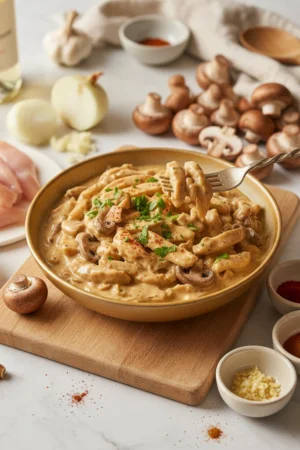
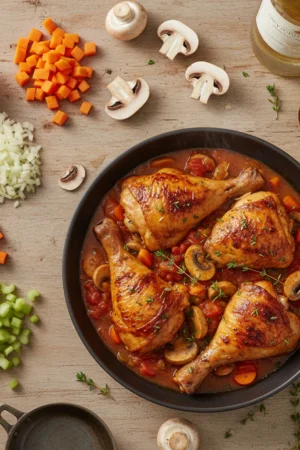
Chicken Paprikash, a quintessential Hungarian chicken stew, offers a profoundly comforting and richly flavorful culinary experience, making it a beloved traditional Hungarian dish across the globe. Mastering this creamy, paprika cream sauce based meal is entirely achievable, and the experts at evilchefmom are delighted to guide you through crafting a truly authentic rendition that promises exceptional creaminess and depth of flavor for a memorable comfort stew.
What Defines Authentic Hungarian Chicken Paprikash and How Is It Traditionally Prepared?
Authentic Chicken Paprikash, or Csirke Paprikás, is a deeply flavorful Hungarian chicken stew characterized by its vibrant red hue, rich paprika cream sauce, and tender braised chicken. Its preparation hinges on quality sweet Hungarian paprika, carefully sautéed onions, browned chicken pieces, and a signature finish of tempered sour cream, traditionally served with Nokedli or egg noodles.
At the heart of Hungarian Paprikash lies a culinary heritage spanning centuries, a testament to Hungarian culture and its profound appreciation for robust, comforting meals. This iconic chicken stew sour cream dish, dating back to at least the 18th century, has evolved into a staple across Central European cuisine, celebrated for its unique spice blend and silken texture. The essence of an authentic Chicken Paprikash truly begins with selecting the finest ingredients and understanding the precise techniques that contribute to its distinctive profile. The foundation is typically a generous quantity of slowly rendered onions, which form a sweet and aromatic base, followed by the star ingredient: premium sweet Hungarian paprika. This vivid spice not only imparts its signature color but also a deep, earthy flavor that defines the dish.
The traditional preparation involves searing chicken pieces to achieve a beautiful golden-brown crust, locking in moisture and developing a rich depth of flavor. This initial browning step is crucial for the overall success of the paprika chicken stew, ensuring each bite offers a delightful texture contrast. Following this, the paprika is carefully bloomed in the rendered fat and onions, releasing its full aromatic potential without burning. A liquid, often water or chicken broth, is then added to create a simmering environment where the chicken can slowly braise to tender perfection. The final, defining touch is the tempering of sour cream, meticulously incorporated to create that luxuriously creamy, velvety sauce without any risk of curdling. This culinary technique is a hallmark of the dish, transforming a simple stew into a sophisticated and satisfying comfort stew.
What Key Ingredients Are Fundamental to an Authentic Paprikash?
The core ingredients for an authentic Chicken Paprikash include chicken (preferably bone-in, skin-on thighs), high-quality sweet Hungarian paprika, yellow onions, garlic, a touch of bell pepper or tomato, chicken broth, and full-fat sour cream. These elements combine to create the distinctive flavor and creamy texture.
Crafting a truly authentic Chicken Paprikash relies on the precise selection and balance of its foundational components. The choice of chicken is paramount; bone-in, skin-on chicken thighs and drumsticks are highly recommended by culinary experts for their ability to impart exceptional flavor and remain wonderfully tender during the slow braising process. The bones contribute essential collagen to the sauce, enhancing its body and richness, while the skin can be crisped before braising to add another layer of texture. For every kilogram of chicken, approximately 150g of finely diced yellow onion is ideal, providing a sweet and savory base.
The star spice, sweet Hungarian paprika, is not merely a seasoning but a cornerstone of the dish’s identity, requiring about 2-3 generous tablespoons for a typical recipe serving four to six. A small amount of mild red bell pepper or ripe tomato, roughly 50g, can be included with the onions to add a subtle sweetness and depth, reflecting regional variations common in Hungarian cuisine. Fresh garlic, about 2-3 cloves minced, provides an aromatic counterpoint. The liquid component, typically 500ml of good quality chicken broth, ensures the chicken simmers perfectly, absorbing all the wonderful flavors. Finally, 200-250g of full-fat sour cream is essential for the finishing touch, delivering that characteristic creamy luxury. These specific quantities ensure the perfect balance for a truly memorable Creamy Chicken Paprikash.
How Does High-Quality Paprika Elevate a Genuine Paprikash?
Using high-quality sweet Hungarian paprika is paramount as it imparts the signature vibrant color, delicate sweetness, and complex, earthy flavor that defines authentic Chicken Paprikash. Inferior paprika can result in a bland or bitter dish lacking the rich aromatics and depth characteristic of a true Hungarian classic.
The very name Paprikash underscores the critical role of paprika in this delightful chicken stew sour cream. Not all paprika is created equal, and for an authentic Hungarian experience, sourcing genuine sweet Hungarian paprika is non-negotiable. This specific variety, often labeled as “édesnemes” or “sweet noble,” is ground from meticulously selected, dried red peppers, offering a gentle sweetness, a subtle fruitiness, and a deep, rich red color without any harsh bitterness. According to culinary historians, the finest Hungarian paprika originates from regions like Szeged or Kalocsa, where centuries of cultivation have perfected the spice’s profile. Its volatile oils contain capsaicinoids (though in sweet varieties, the capsaicin content is minimal, typically less than 100 Scoville Heat Units for édesnemes) and rich carotenoids, which contribute to its intense color and aromatic complexity.
When properly bloomed in warm fat, high-quality paprika releases its full spectrum of flavors and colors into the sauce, creating a depth that generic or stale paprika simply cannot replicate. A common culinary error is adding paprika to excessively hot oil, which can cause it to burn, turning bitter and ruining the entire dish. The ideal temperature for blooming paprika is between 60-70°C for approximately 30 seconds to 1 minute, allowing its flavor compounds to infuse the fat without scorching. This controlled process ensures the paprika cream sauce achieves its characteristic vibrant red hue and an aromatic richness that elevates the entire paprika-infused chicken. The impact on the overall flavor profile is substantial, moving from merely pleasant to truly exceptional, making the dish a memorable comfort stew.
How Can You Identify and Select Premium Hungarian Paprika in the UK?
To select premium Hungarian paprika in the UK, look for labels specifying “Sweet Hungarian Paprika,” “Édesnemes,” or “Kulonleges.” Ensure it comes in airtight packaging, ideally sourced from reputable Hungarian producers, and check for a vibrant red color and a fresh, sweet aroma upon opening. Check the manufacturing date for optimal freshness.
For UK home cooks eager to create a superb Chicken Paprikash, sourcing authentic Hungarian paprika is increasingly convenient. Many specialist delicatessens, European food stores, and even major supermarkets now stock imported Hungarian paprika. When purchasing, focus on the packaging and labeling. Genuine Hungarian paprika will often specify its grade, with “édesnemes” (sweet noble) being the most common and ideal for paprikash. Other grades like “csemege” (delicate) or “különleges” (special quality) are also excellent choices. Avoid generic “paprika” that lacks a specific origin or grade, as these can be inferior and yield a less authentic flavor.
The color of the paprika should be a deep, rich red, indicative of its carotenoid content and proper drying. Upon opening the package, a fresh, slightly sweet, and earthy aroma should be evident. If it smells dusty, stale, or bitter, it is likely past its prime. Paprika is sensitive to light and air, so it is best purchased in smaller quantities (e.g., 50-100g packets) and stored in an airtight container in a cool, dark place. For maximum freshness, aim to use it within 6-12 months of purchase. Online retailers specializing in European ingredients, such as those popular across the UK, also provide excellent access to certified Hungarian brands, ensuring your paprika chicken achieves its full potential.
What Are the Secrets to Achieving a Perfectly Creamy Paprika Sauce Without Curdling?
The secret to a perfectly creamy paprika cream sauce without curdling lies in tempering the sour cream. This involves gradually whisking a small amount of the hot stew liquid into the sour cream before slowly incorporating the warmed mixture back into the main pot, ensuring a smooth, emulsified finish for your chicken stew sour cream.
The luxurious creaminess of Hungarian Chicken Paprikash is one of its most appealing characteristics, a result of the masterful incorporation of sour cream. The challenge, however, is to prevent the sour cream from curdling when added directly to a hot stew, which can lead to an unappetizing, grainy texture. The solution lies in a precise culinary technique known as tempering. Sour cream, being dairy-based, contains proteins that can coagulate rapidly when exposed to drastic temperature changes or high heat. Tempering gently raises the temperature of the sour cream, bringing it closer to the stew’s heat, thereby preventing thermal shock.
For optimal results, always use full-fat sour cream, as its higher fat content (typically 18-20% fat) provides better stability against curdling compared to lower-fat alternatives. A robust tempering process involves taking approximately 150-200ml of the hot liquid from the simmering Paprikash and gradually whisking it into 200-250g of sour cream in a separate bowl. This step should be performed slowly, adding the hot liquid tablespoon by tablespoon, while continuously whisking to create a smooth, warm slurry. Once the sour cream mixture is warm to the touch, it can then be slowly poured back into the main pot of the stew, stirring consistently until fully integrated. It is crucial to remove the pot from direct high heat or reduce the heat to its lowest setting during this final step. The stew should then only be gently warmed through, never brought to a rolling boil again, to maintain the silky smooth paprika cream sauce.
Are There Any Other Techniques to Enhance Sauce Richness and Stability?
Beyond tempering, enhancing sauce richness and stability in Chicken Paprikash can involve creating a light roux with flour and the rendered chicken fat, or reducing the stew liquid to concentrate flavors before adding the sour cream. Using a small amount of heavy cream in addition to sour cream can also contribute to a more stable and luxurious texture.
While tempering sour cream is the primary technique for achieving a smooth paprika cream sauce, several other strategies can further enhance the richness and stability of your Hungarian Paprikash. One classic method involves creating a light roux. After sautéing the onions and blooming the paprika, but before adding the chicken broth, a tablespoon of plain flour (approximately 15g) can be stirred into the rendered fat and spices. This flour is cooked for 1-2 minutes until it forms a fragrant paste, acting as a thickener that helps emulsify the sauce and prevent separation. This technique, a common practice in traditional European stews, provides a beautiful body to the sauce.
Another approach is to allow the stew to simmer uncovered for the last 15-20 minutes of cooking, enabling the liquid to gently reduce and concentrate the flavors. This reduction process intensifies the savory notes and creates a naturally thicker, more unctuous sauce before the final sour cream addition. Some culinary experts also suggest adding a small amount (around 50ml) of heavy cream alongside the sour cream during the tempering process. The higher fat content of heavy cream (typically 35-48%) provides additional stability and contributes to an even more luxurious, velvety mouthfeel, ensuring your creamy chicken stew is truly exceptional. By integrating these techniques, you can achieve a perfectly emulsified and richly flavored sauce that epitomizes an outstanding Creamy Chicken Paprikash.
Which Traditional Accompaniments Best Complement a Rich Chicken Paprikash?
Traditionally, a rich Chicken Paprikash is best complemented by Nokedli (Hungarian dumplings), which are soft, chewy egg noodles perfect for soaking up the vibrant paprika cream sauce. Other popular choices include wide egg noodles, mashed potatoes, or even crusty bread to fully enjoy every last drop of the exquisite gravy.
The perfect accompaniment transforms a delicious Hungarian Paprikash into a complete and satisfying meal. In Hungary, the quintessential side dish for this comfort stew is Nokedli, also known as Csipetke or Galuska. These small, irregular egg dumplings are wonderfully soft and slightly chewy, with an ideal texture for absorbing the rich paprika cream sauce. Making Nokedli is a straightforward process, typically involving flour, eggs, water, and a pinch of salt. The dough is either dropped directly into boiling water through a special grater or scraped off a board with a knife.
For those in the UK who may not have access to a Nokedli grater, or prefer a simpler alternative, wide egg noodles are an excellent substitute. Their broad surface area and tender chewiness make them equally adept at capturing the luxurious sauce. Other popular choices include creamy mashed potatoes, providing a smooth contrast to the tender chicken, or a generous slice of crusty bread, perfect for mopping up every last drop of the flavorful gravy. The choice of accompaniment significantly contributes to the overall dining experience, allowing the diner to fully appreciate the depths of flavor in the paprika-infused chicken.
How Do You Prepare Traditional Nokedli to Accompany Your Paprikash?
To prepare traditional Nokedli for Chicken Paprikash, combine 250g plain flour, 2 large eggs, 100ml water, and a pinch of salt to form a soft, sticky dough. Using a spaetzle maker or the back of a knife, drop small pieces of dough into boiling salted water. Cook for 2-3 minutes until they float, then drain and toss with a little butter or oil.
Crafting fresh Nokedli at home elevates the dumplings for paprikash experience significantly. The process is simple and rewarding, yielding tender, toothsome dumplings that are far superior to store-bought alternatives. For a standard batch serving four, you will need approximately 250 grams of plain flour (Type 45 or 00 is excellent for a finer texture), 2 large free-range eggs, 100-120 ml of cold water, and a teaspoon of salt.
- • Mixing the Dough: In a large bowl, whisk together the flour and salt. Create a well in the center, add the eggs and water. Gradually mix the wet ingredients into the dry using a wooden spoon or spatula until a soft, sticky, but uniform dough forms. Avoid overmixing, as this can develop too much gluten and result in tough dumplings.
- • Resting: Allow the dough to rest for at least 15-20 minutes at room temperature. This step helps the flour hydrate fully, making the dough easier to handle and yielding a more tender dumpling.
- • Cooking: Bring a large pot of heavily salted water to a rolling boil (approximately 1 tablespoon of salt per 2 liters of water). Using a Nokedli grater (or a colander with large holes, or even scraping small pieces off a wet cutting board with a knife), press or scrape the dough directly into the boiling water.
- • Finishing: Cook for 2-3 minutes, or until the dumplings float to the surface and are tender yet still have a slight bite (al dente). Drain them immediately and toss with a knob of butter or a drizzle of oil to prevent sticking. Serve hot alongside your magnificent Hungarian Chicken Paprikash.
This detailed approach ensures your Nokedli are as perfect as your Paprika Chicken Stew.
Why Is Browning Chicken Essential for Developing Deep Flavors in Paprikash?
Browning chicken before simmering is essential for Chicken Paprikash because it initiates the Maillard reaction, a complex chemical process that creates hundreds of new flavor compounds and a rich, golden-brown crust. This critical step significantly enhances the savory depth and overall robustness of the Hungarian chicken stew.
The initial step of thoroughly browning the chicken pieces is a fundamental technique for building a deeply flavorful Hungarian Paprikash. This process, known as the Maillard reaction, is a non-enzymatic browning that occurs when amino acids and reducing sugars react under heat. It is responsible for the rich, complex flavors found in roasted meats, seared scallops, and even toasted bread. For chicken, searing at a medium-high temperature for approximately 3-5 minutes per side develops a beautiful golden-brown crust, locking in the natural juices and creating a layer of concentrated savory flavors on the surface of the meat.
Beyond the immediate flavor enhancement, the browned bits that stick to the bottom of the pot, often called “fond,” are invaluable. These are rich in caramelized sugars and proteins, forming a crucial base for the sauce. When deglazed with sautéed onions or a splash of broth, these flavorful compounds dissolve into the liquid, contributing significant depth and complexity to the entire paprika chicken stew. Without this browning step, the chicken would simply boil, resulting in a less flavorful, paler dish with a diminished savory profile. This meticulous attention to initial preparation sets the stage for a truly outstanding Creamy Chicken Paprikash, ensuring every component contributes to the dish’s overall excellence.
What Are the Best Practices for Achieving Optimal Browning?
To achieve optimal browning for Chicken Paprikash, ensure the chicken pieces are patted thoroughly dry before cooking, use a heavy-bottomed pot (like a Dutch oven) heated to a medium-high temperature with sufficient oil, and avoid overcrowding the pan. Brown the chicken in batches for 3-5 minutes per side until deeply golden.
Achieving that perfect golden-brown crust on your chicken requires a few key considerations. First, and perhaps most importantly, ensure the chicken pieces are thoroughly patted dry with paper towels. Excess moisture on the surface of the chicken will cause it to steam rather than sear, hindering the Maillard reaction. Aim for a dry surface to encourage crisping.
Secondly, use a heavy-bottomed pot or Dutch oven. Cast iron or enameled cast iron are excellent choices because they retain and distribute heat evenly, promoting consistent browning. Preheat the pot over medium-high heat for several minutes before adding your cooking fat. A neutral oil with a high smoke point, such as rapeseed or sunflower oil, is ideal. Use enough oil to coat the bottom of the pan generously, typically 1-2 tablespoons per batch of chicken.
Finally, resist the urge to overcrowd the pan. Placing too many chicken pieces at once will drop the temperature of the pot, leading to steaming instead of searing. Brown the chicken in batches, allowing ample space between each piece. Cook for approximately 3-5 minutes per side, or until a deep golden crust forms. Once browned, remove the chicken to a plate and proceed with sautéing the onions, leveraging the flavorful rendered fat and fond for your exquisite paprika-infused chicken sauce.
What Is the Step-by-Step Process for Crafting the Ultimate Hungarian Chicken Paprikash?
Crafting the ultimate Hungarian Chicken Paprikash involves a precise sequence: browning chicken, sautéing onions and blooming paprika, simmering with broth until tender, and finally, tempering sour cream for a velvety finish. Each step is crucial for achieving the rich flavor and creamy texture of this comfort stew.
The journey to an exceptional Chicken Paprikash is a delightful progression of culinary steps, each building upon the last to create a harmonious and deeply satisfying dish. Following these detailed instructions from the security experts at evilchefmom will ensure a successful and delicious outcome, whether you are a seasoned chef or a home cook exploring Hungarian cuisine.
What are the detailed instructions for preparing this authentic dish?
The detailed preparation of Chicken Paprikash involves 7 key stages: preparing the chicken, browning, sautéing aromatics, blooming paprika, simmering, thickening (optional), and tempering sour cream for the final paprika cream sauce.
Here is a comprehensive, step-by-step guide to crafting your own superb Creamy Chicken Paprikash:
-
• Step 1: Prepare the Chicken (15 minutes)
Start with 1.2-1.5 kg of bone-in, skin-on chicken pieces (thighs and drumsticks work best). Pat them thoroughly dry with paper towels. Season generously with 1.5 teaspoons of salt and 0.5 teaspoons of freshly ground black pepper. This initial seasoning is vital for internal flavor. -
• Step 2: Brown the Chicken (10-15 minutes)
Heat 2 tablespoons of high-smoke point oil (e.g., rapeseed or vegetable oil) in a large, heavy-bottomed Dutch oven or pot over medium-high heat until shimmering, approximately 175-180°C. Add chicken pieces in batches, skin-side down first, ensuring not to overcrowd the pan. Brown for 4-5 minutes per side until deeply golden and a beautiful crust forms. Remove browned chicken to a plate and set aside. -
• Step 3: Sauté Aromatics (8-10 minutes)
Reduce heat to medium. Add 1 large (approximately 200g) finely diced yellow onion to the same pot, using the rendered chicken fat. Cook, stirring occasionally, for 6-8 minutes until softened and translucent, scraping up any browned bits from the bottom of the pot. Add 3 minced cloves of garlic and 50g of finely diced red bell pepper (optional, but recommended for flavor depth). Cook for an additional 2 minutes until fragrant. -
• Step 4: Bloom the Paprika (1 minute)
Remove the pot from the heat. Stir in 3 generous tablespoons of high-quality sweet Hungarian paprika. Stir constantly for about 30-60 seconds to bloom the paprika’s flavors and color, ensuring it does not burn. If the pot is too hot, the paprika can turn bitter. Immediately return the chicken pieces to the pot. -
• Step 5: Simmer the Stew (45-60 minutes)
Pour in 500-600 ml of chicken broth. Bring the mixture to a gentle simmer, cover the pot, and reduce heat to low. Allow the Hungarian chicken to braise for 45-60 minutes, or until it is fork-tender. The internal temperature of the chicken should reach 74°C (165°F). Stir occasionally to prevent sticking. -
• Step 6: Thicken the Sauce (Optional, 5 minutes)
If a thicker sauce is desired, remove the chicken from the pot and set aside. In a small bowl, whisk 1 tablespoon of flour with 2 tablespoons of cold water to create a slurry. Stir this slurry into the simmering sauce in the pot. Cook for 2-3 minutes, stirring constantly, until the sauce thickens to your preference. -
• Step 7: Temper the Sour Cream (5 minutes)
Remove the pot from the heat. In a separate bowl, whisk together 200g of full-fat sour cream with 150ml of the hot stew liquid. Once smooth and warm, slowly pour the tempered sour cream mixture back into the pot, stirring continuously until fully incorporated and the sauce is creamy and smooth. Return the chicken to the pot. Gently warm the chicken stew sour cream through for 2-3 minutes over very low heat, ensuring it does not boil.
Taste and adjust seasoning with salt and pepper as needed. Garnish with fresh parsley or chives, and serve immediately with dumplings for paprikash (Nokedli) or wide egg noodles. This detailed process ensures a perfectly balanced and deeply satisfying Hungarian Chicken Paprikash, a true culinary delight.
How Can You Ensure Your Chicken Paprikash Delivers an Unforgettable Comforting Experience?
To ensure your Chicken Paprikash delivers an unforgettable comforting experience, focus on ingredient quality, meticulous technique, and serving with traditional accompaniments. The harmonious blend of tender Hungarian chicken, rich paprika cream sauce, and perfectly cooked dumplings for paprikash creates a truly cherished comfort stew.
An unforgettable Chicken Paprikash transcends mere sustenance; it becomes a culinary journey, evoking warmth, tradition, and profound satisfaction. Achieving this level of excellence involves a holistic approach, where every detail, from sourcing ingredients to the final presentation, contributes to the overall experience. The commitment to using premium sweet Hungarian paprika, for instance, ensures a vibrant color and authentic flavor profile that inferior varieties simply cannot match. Similarly, selecting bone-in, skin-on chicken pieces guarantees maximum tenderness and juiciness, as the bones slowly release gelatin and flavor into the sauce during the extensive simmering process.
The meticulous application of techniques such as proper chicken browning to develop deep savory notes, careful sautéing of onions until perfectly caramelized, and the precise tempering of sour cream for a silky smooth, emulsified sauce are all critical components. These steps, when executed with care and attention, transform simple ingredients into a complex, harmonious paprika chicken stew that delights the senses. The result is a dish with rare attributes: a perfectly emulsified sauce, a vibrant color that speaks of its rich paprika heart, and a historical authenticity that resonates with culinary heritage.
Serving this magnificent dish with its traditional accompaniments, such as homemade Nokedli or wide egg noodles, completes the experience. The soft, tender dumplings act as perfect sponges for the rich, creamy sauce, ensuring every spoonful is packed with flavor. A final garnish of fresh parsley or dill adds a touch of brightness, both visually and in taste. This attention to detail ensures that each serving of Hungarian Paprikash is not just a meal, but a celebration of Central European cuisine, a true comfort stew that will be shared, saved, and recommended by all who taste it.
What Are the Nutritional Considerations for Chicken Paprikash?
A typical serving of Chicken Paprikash (approximately 300-350g, without sides) can provide around 450-550 calories, 35-45g protein, 25-35g fat, and 15-20g carbohydrates. It is a good source of protein and essential vitamins from the paprika and vegetables, contributing to a balanced and satisfying meal.
Understanding the nutritional aspects of Chicken Paprikash can help you appreciate its role as a wholesome and energizing meal. While specific values vary based on ingredients and portion sizes, a standard serving of this chicken stew sour cream offers a positive nutritional profile.
| Nutrient | Approximate Value per Serving (300-350g) | Benefit |
|---|---|---|
| Calories | 450-550 kcal | Provides sustained energy. |
| Protein | 35-45g | Essential for muscle repair and growth. |
| Fat | 25-35g | Provides essential fatty acids and aids nutrient absorption. |
| Carbohydrates | 15-20g | Source of energy, especially from onions and slight flour if used. |
| Vitamin A | High | From paprika, supports vision and immune function. |
| Vitamin C | Moderate | From bell peppers and paprika, an antioxidant. |
The inclusion of paprika not only enhances flavor but also contributes significant amounts of Vitamin A (beta-carotene), an important antioxidant and vital for vision and immune health. Onions and bell peppers add dietary fiber and Vitamin C, further enriching the dish. When paired with Nokedli or egg noodles, the carbohydrate content increases, providing a more complete energy source, making Paprikash a truly well-rounded and deeply satisfying meal.
Don’t miss the opportunity to enhance your security with our premium collection of high-security locks and architectural hardware from the experts at evilchefmom. Visit evilchefmom.com today to explore and purchase the finest resources for your project. If you need expert advice or have any questions about our products, our professional team is always ready to assist you via our Hotline: 01386 423984, or visit us at: Unit 3, 56-58 Steward Street, Birmingham, B18 7AE. We believe that with the support of evilchefmom, your cooking skills will achieve outstanding results, winning the trust of users who will share, save and recommend our products, creating a strong impact
Frequently Asked Questions
What defines authentic Hungarian Chicken Paprikash and how is it traditionally prepared?
Authentic Chicken Paprikash, or Csirke Paprikás, is a deeply flavorful Hungarian chicken stew characterized by its vibrant red hue, rich paprika cream sauce, and tender braised chicken. Its preparation hinges on quality sweet Hungarian paprika, carefully sautéed onions, browned chicken pieces, and a signature finish of tempered sour cream, traditionally served with Nokedli or egg noodles.
Why is high-quality paprika essential for Chicken Paprikash?
High-quality sweet Hungarian paprika is paramount as it imparts the signature vibrant color, delicate sweetness, and complex, earthy flavor that defines authentic Chicken Paprikash. Inferior paprika can result in a bland or bitter dish lacking the rich aromatics and depth characteristic of a true Hungarian classic.
How do you prevent sour cream from curdling in Paprikash?
The secret to a perfectly creamy paprika sauce without curdling lies in tempering the sour cream. This involves gradually whisking a small amount of the hot stew liquid into the sour cream before slowly incorporating the warmed mixture back into the main pot, ensuring a smooth, emulsified finish. Using full-fat sour cream and not boiling the stew after adding it also helps.