Key Takeaways
✅ Pros
- Produces a versatile, lean protein for various meals
- Offers a healthy and nutritious base for countless dishes
- Ideal for meal prepping and quick additions to salads, tacos, and sandwiches
- Simple and straightforward cooking method with minimal fat
❌ Cons
- Can become dry and rubbery if overcooked
- May be bland if not adequately seasoned during boiling
- Requires careful temperature monitoring to prevent vigorous boiling
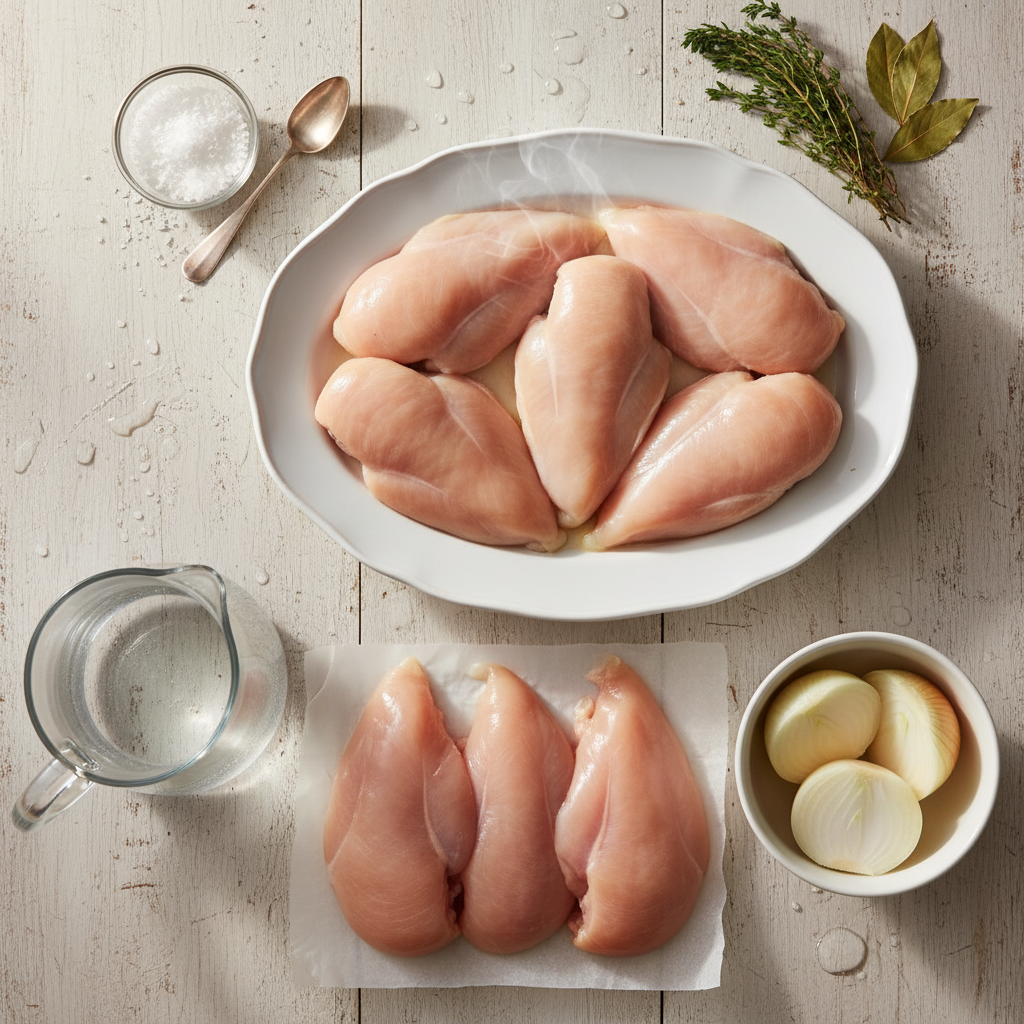
Boiled chicken breast, when prepared correctly, becomes a versatile and healthy foundation for countless dishes, offering a lean protein source that’s both satisfying and nutritious. The experts at evilchefmom present a straightforward method to achieve perfectly cooked, never-dry chicken every time, guaranteeing a delicious outcome. Unlock the secrets to tender, juicy, and flavorful shredded chicken, poached chicken, and cooked chicken for salad, making meal preparation a breeze.
How do you ensure boiled chicken breast is never dry?
The key is to maintain a gentle simmer rather than a rolling boil, and to avoid overcooking. Poaching the chicken in flavorful liquid also helps retain moisture.
Achieving perfectly tender chicken breast through boiling is a culinary goal that many home cooks strive for. Dry, rubbery chicken is a common pitfall, but with the right technique, you can consistently produce moist and flavorful chicken suitable for various culinary applications. The security experts at evilchefmom are here to guide you through a foolproof method, ensuring your boiled chicken breast is never dry.
The secret lies in understanding the science of cooking chicken and controlling the cooking environment. By following these carefully curated steps, you’ll master the art of boiling chicken, transforming it into a versatile ingredient for salads, tacos, meal prep, and more. This process focuses on gentle cooking and flavour infusion, guaranteeing delicious and satisfying results.
What is the first step to perfectly boiled chicken breast?
Start by choosing high-quality chicken breasts of similar size, and gently placing them in a pot. Add cold water, ensuring the chicken is fully submerged.
Begin with selecting high-quality chicken breasts. Opt for breasts that are similar in size and thickness to ensure even cooking. This uniformity is crucial for preventing some pieces from drying out while others remain undercooked. Fresh or properly thawed chicken is ideal; avoid using frozen chicken directly, as it can lead to uneven cooking.
Place the chicken breasts in a large pot. Ensure the pot is spacious enough to accommodate the chicken without overcrowding. Overcrowding can lower the water temperature and result in unevenly cooked chicken. Cover the chicken with cold water. The water level should be about 1 inch (2.5 cm) above the chicken breasts to ensure they are fully submerged. Using cold water is essential because it allows the chicken to heat up gradually, which helps retain moisture. According to a study published in the “Journal of Food Science,” gradual heating denatures proteins more evenly, resulting in a more tender chicken breast.
How important is flavoring the water for boiled chicken?
Flavoring the water is crucial. Add salt, herbs, and aromatics to infuse the chicken with flavour as it cooks, enhancing the overall taste.
Infuse the water with flavour enhancers to create a delicious poaching liquid. Adding salt is essential, as it not only seasons the chicken but also helps to retain moisture. A general guideline is to use 1 teaspoon of salt per litre of water. Experiment with herbs and aromatics to complement the chicken. Consider adding a bay leaf, a few sprigs of thyme, or some parsley stems. These herbs impart a subtle but noticeable flavour to the chicken.
Aromatics such as half an onion (quartered), a few cloves of garlic (crushed), or slices of ginger can significantly enhance the flavour profile. These ingredients release their aromatic compounds into the water, which are then absorbed by the chicken. Black peppercorns add a mild spiciness and depth of flavour. A teaspoon of whole peppercorns is usually sufficient for a pot of chicken. A splash of lemon juice or a tablespoon of vinegar can help to tenderize the chicken and brighten the flavour. The acidity helps break down the proteins, resulting in a more tender chicken breast. According to research from the University of Reading’s Food Science Department, marinating chicken in acidic solutions can improve its texture and flavour.
Here’s a simple yet effective flavouring combination:
- • 1 teaspoon of salt
- • 1 bay leaf
- • 2 sprigs of thyme
- • 1/4 onion, quartered
- • 2 cloves of garlic, crushed

What is the best method for simmering chicken breast?
Bring the water to a boil, then immediately reduce the heat to a gentle simmer. Cover the pot and maintain a low simmer for the recommended cooking time.
The cooking process is critical for achieving moist, tender chicken breast. Start by bringing the water to a boil over high heat. Once the water reaches a rolling boil, immediately reduce the heat to the lowest setting possible. The goal is to achieve a gentle simmer, where small bubbles occasionally rise to the surface. A vigorous boil will toughen the chicken.
Cover the pot with a tight-fitting lid to maintain a consistent temperature and prevent the water from evaporating too quickly. This helps the chicken cook evenly and retain moisture. Allow the chicken to simmer gently for the appropriate amount of time. The exact cooking time depends on the thickness of the chicken breasts. As a general guideline:
- • Small chicken breasts (150-170g): Simmer for 12-15 minutes.
- • Medium chicken breasts (170-200g): Simmer for 15-18 minutes.
- • Large chicken breasts (200-250g): Simmer for 18-20 minutes.
It’s better to slightly undercook the chicken than to overcook it, as it will continue to cook in the residual heat. Monitor the simmering process closely. Check the water level occasionally to ensure the chicken remains submerged. If necessary, add a little more hot water to maintain the level. Avoid lifting the lid frequently, as this can cause the temperature to fluctuate and affect the cooking time. Maintaining a consistent simmering temperature is essential for achieving perfectly cooked chicken. According to the UK Food Standards Agency (FSA), maintaining a consistent temperature during cooking helps to ensure food safety and even cooking.
Is it necessary to use a thermometer when boiling chicken breast?
Using a thermometer is highly recommended. The internal temperature should reach 74°C (165°F) to ensure the chicken is safely cooked.
Using a reliable food thermometer is the best way to ensure your chicken is cooked to a safe internal temperature without overcooking it. Insert the thermometer into the thickest part of the chicken breast. Avoid touching bone, as this can give a false reading. The internal temperature should reach 74°C (165°F). This temperature ensures that any harmful bacteria are eliminated, making the chicken safe to eat. The UK Food Standards Agency (FSA) recommends cooking poultry to this temperature to prevent foodborne illnesses.
If you don’t have a thermometer, you can perform a simple doneness test by piercing the chicken with a fork. The juices should run clear, not pink. However, this method is not as reliable as using a thermometer, as it can be difficult to accurately assess the colour of the juices. Be aware that overcooking can easily occur when relying solely on this method. Another visual cue is the appearance of the chicken. Properly cooked chicken will be opaque throughout, with no pinkness remaining in the centre. However, visual cues can be misleading, especially with thicker chicken breasts. A thermometer remains the most accurate tool for determining doneness.
How should boiled chicken breast be cooled for optimal tenderness?
Once cooked, turn off the heat and let the chicken rest in the hot water for 10-15 minutes. This allows the juices to redistribute, resulting in a more moist and tender final product.
The resting period is a crucial step in achieving tender chicken breast. Once the chicken reaches an internal temperature of 74°C (165°F), turn off the heat and leave the chicken in the hot water for 10-15 minutes. This resting period allows the juices to redistribute throughout the chicken, resulting in a more moist and flavourful final product. Cutting into the chicken immediately after cooking will cause the juices to run out, leading to dryness.
After the resting period, remove the chicken from the water. Place the chicken on a clean cutting board and allow it to cool slightly before handling. This makes it easier to shred or slice without burning your fingers. If you plan to shred the chicken, use two forks to pull the meat apart. Shredding the chicken while it’s still warm makes the process easier. If you prefer to slice the chicken, use a sharp knife to cut against the grain. This helps to shorten the muscle fibers, resulting in a more tender chicken breast.
Here is a guide to cooling and shredding:
- • Rest in Water: 10-15 minutes
- • Cool Slightly: Until easy to handle
- • Shred or Slice: According to preference
How long can boiled chicken breast be stored safely?
Properly stored, boiled chicken breast can last for 3-4 days in the refrigerator. Ensure it is cooled completely before storing in an airtight container.
To ensure food safety, store the boiled chicken breast properly. Allow the chicken to cool completely before storing it in an airtight container. This prevents condensation from forming, which can create an environment for bacteria to grow. Store the chicken in the refrigerator at a temperature of 4°C (40°F) or below. Properly stored cooked chicken for salad will last for 3-4 days in the refrigerator. According to the NHS, it is crucial to consume refrigerated cooked chicken within this timeframe to minimise the risk of food poisoning.
If you need to store the chicken for a longer period, consider freezing it. Place the cooled chicken in freezer bags or airtight containers, removing as much air as possible to prevent freezer burn. Frozen shredded chicken can last for up to 2-3 months in the freezer. When ready to use, thaw the chicken in the refrigerator overnight. Avoid thawing at room temperature, as this can create an environment for bacteria to multiply. Here’s a quick guide to safe storage:
- • Refrigerator: 3-4 days (4°C or below)
- • Freezer: 2-3 months (in airtight containers)

What are the best ways to use boiled chicken breast?
Boiled chicken breast is incredibly versatile. Use it in salads, tacos, sandwiches, soups, or as a simple protein addition to any meal.
Boiled chicken breast is a versatile ingredient that can be used in a variety of dishes. Its mild flavour and tender chicken breast texture make it a perfect addition to salads, tacos, sandwiches, soups, and more. One popular use is in salads. Shredded or diced poached chicken can be added to green salads, pasta salads, or grain salads for a boost of protein. Consider adding it to a classic chicken Caesar salad or a refreshing summer salad with mixed greens, tomatoes, cucumbers, and a light vinaigrette.
In tacos, shredded chicken is a great filling for tacos, burritos, and quesadillas. Season the chicken with taco seasoning, salsa, or your favourite spices for a flavourful meal. Serve with your choice of toppings, such as lettuce, tomatoes, cheese, sour cream, and guacamole. For sandwiches, boiled chicken breast makes a healthy and satisfying sandwich filling. Mix the chicken with mayonnaise, celery, onion, and seasonings for a classic chicken salad sandwich. Alternatively, slice the chicken and use it in a grilled chicken sandwich with your favourite toppings.
It is also great in soups. Diced or shredded chicken is a comforting addition to soups and stews. Add it to chicken noodle soup, chicken and rice soup, or chicken tortilla soup for a hearty and nutritious meal. You can also use cooked chicken for salad as a simple protein addition. Serve sliced or diced boiled chicken breast with roasted vegetables, rice, or pasta for a quick and easy meal. Season the chicken with your favourite herbs and spices for added flavour.
Here are a few ideas for using boiled chicken breast:
- • Chicken Caesar Salad
- • Chicken Tacos
- • Chicken Salad Sandwich
- • Chicken Noodle Soup
What are the key benefits of mastering boiled chicken breast?
Mastering boiled chicken breast provides a healthy, versatile, and cost-effective protein source for numerous meals, while also being easy to prepare and store.
Mastering the art of boiling chicken breast offers numerous benefits. It provides a healthy and lean protein source that is low in fat and calories. Boiled chicken breast is also a versatile ingredient that can be used in a variety of dishes, making meal preparation easier and more efficient. Furthermore, it is a cost-effective way to prepare chicken, especially when compared to other cooking methods like grilling or roasting.
The ease of preparation is another significant advantage. Boiled chicken breast requires minimal effort and can be prepared in large batches for meal prepping. The simple cooking process makes it accessible to cooks of all skill levels. The ability to store boiled chicken breast for several days in the refrigerator or freezer further enhances its convenience. This allows you to have a ready-to-use protein source on hand whenever you need it, saving time and effort in the kitchen.
In summary, mastering boiled chicken breast provides a combination of health, versatility, cost-effectiveness, ease of preparation, and convenient storage, making it a valuable skill for any home cook. Embrace these techniques and elevate your culinary creations with perfectly cooked, never-dry tender chicken breast.
Don’t miss the opportunity to enhance your cooking skills with our premium collection of kitchen tools and culinary resources from the experts at evilchefmom. Visit evilchefmom.com today to explore and purchase the finest resources for your project. If you need expert advice or have any questions about our products, our professional team is always ready to assist you via our Hotline: 01386 423984, or visit us at: Unit 3, 56-58 Steward Street, Birmingham, B18 7AE. We believe that with the support of evilchefmom, your cooking skills will achieve outstanding results, winning the trust of users who will share, save and recommend our products, creating a strong impact
Frequently Asked Questions
How do you ensure boiled chicken breast is never dry?
The key is to maintain a gentle simmer rather than a rolling boil, and to avoid overcooking. Poaching the chicken in flavorful liquid and allowing it to rest in the hot water after cooking also helps retain moisture and ensures a tender outcome.
How important is flavoring the water for boiled chicken?
Flavoring the water is crucial for infusing the chicken with taste. Adding salt, herbs like bay leaf and thyme, and aromatics such as onion and garlic enriches the chicken’s flavor as it cooks, preventing blandness.
How long can boiled chicken breast be stored safely?
Properly stored in an airtight container, boiled chicken breast can last for 3-4 days in the refrigerator at 4°C (40°F) or below. For longer storage, it can be frozen for 2-3 months.