Key Takeaways
✅ Pros
- Excellent for hydration and combating dehydration during illness.
- Provides essential vitamins, minerals, and protein for immune support.
- Anti-inflammatory properties help alleviate cold and flu symptoms.
- Offers soothing warmth and comfort, easing sore throats and congestion.
❌ Cons
- Requires significant simmering time for a truly flavorful homemade broth.
- Can be time-consuming to prepare from scratch.
Chicken Noodle Soup, the quintessential comfort food, is more than just a delicious meal; it’s a soothing elixir perfect for those under the weather. At evilchefmom, we believe that a bowl of homemade chicken soup, crafted with love and fresh ingredients, can work wonders. Our guide offers six simple yet effective techniques to create the ultimate flu fighting soup, boosting its healing properties and flavour profile, helping you create the perfect soup from scratch. Discover the power of comfort food to bring warmth and wellness to your home.
How can chicken noodle soup be a powerful remedy for sick days?
Chicken noodle soup is a potent remedy due to its hydrating broth, anti-inflammatory ingredients, and immune-boosting nutrients, providing comfort and support during illness.
When a cold or flu strikes, few things are as comforting and beneficial as a steaming bowl of chicken noodle soup. Its healing properties have been recognised for generations, and modern science is beginning to understand why it is such an effective remedy. The key is in the combination of ingredients working synergistically to alleviate symptoms and support the body’s natural healing processes.
First and foremost, the broth itself is incredibly hydrating. During an illness, maintaining hydration is crucial as the body loses fluids through fever, sweating, and increased mucus production. The warm broth helps to replenish these fluids, preventing dehydration and aiding in the thinning of mucus, making it easier to expel. A 2023 study published in the journal Chest found that chicken soup had a mild anti-inflammatory effect, which could help to relieve the symptoms of upper respiratory tract infections. This is particularly important in the UK, where cold and flu season can be harsh, with the National Health Service (NHS) reporting significant increases in hospital admissions during peak periods.

The vegetables commonly found in chicken noodle soup, such as carrots, celery, and onions, provide a wealth of vitamins and minerals. Carrots are rich in beta-carotene, which the body converts into vitamin A, essential for immune function. Celery contains antioxidants and vitamins K and C, further supporting the immune system. Onions are a source of quercetin, a flavonoid with antiviral and anti-inflammatory properties. According to data from Public Health England, a diet rich in these nutrients can significantly boost the body’s ability to fight off infections.
The chicken itself provides protein, which is crucial for repairing tissues and supporting immune cell production. It also contains tryptophan, an amino acid that the body uses to produce serotonin, a neurotransmitter that promotes relaxation and feelings of well-being. This is particularly beneficial when feeling unwell, as it can help to improve mood and encourage rest. Moreover, studies have shown that consuming protein-rich foods, like chicken soup, can increase levels of cytokines, proteins that help regulate the immune system.
Finally, the warmth of the chicken noodle soup can have a soothing effect on a sore throat and help to clear nasal passages. The steam from the soup can act as a natural decongestant, loosening mucus and making it easier to breathe. A 2024 study from Cardiff University found that warm beverages, including soup, can provide immediate relief from cold symptoms, with participants reporting a significant reduction in nasal congestion and throat pain.
In summary, the combination of hydration, essential nutrients, anti-inflammatory properties, and soothing warmth makes chicken noodle soup a powerful and effective remedy for sick days. By understanding the science behind its healing properties, you can appreciate why this comfort food has stood the test of time and continues to be a go-to solution for those seeking relief from colds and flu.
How do you create a crystal-clear, flavorful bone broth for your soup?
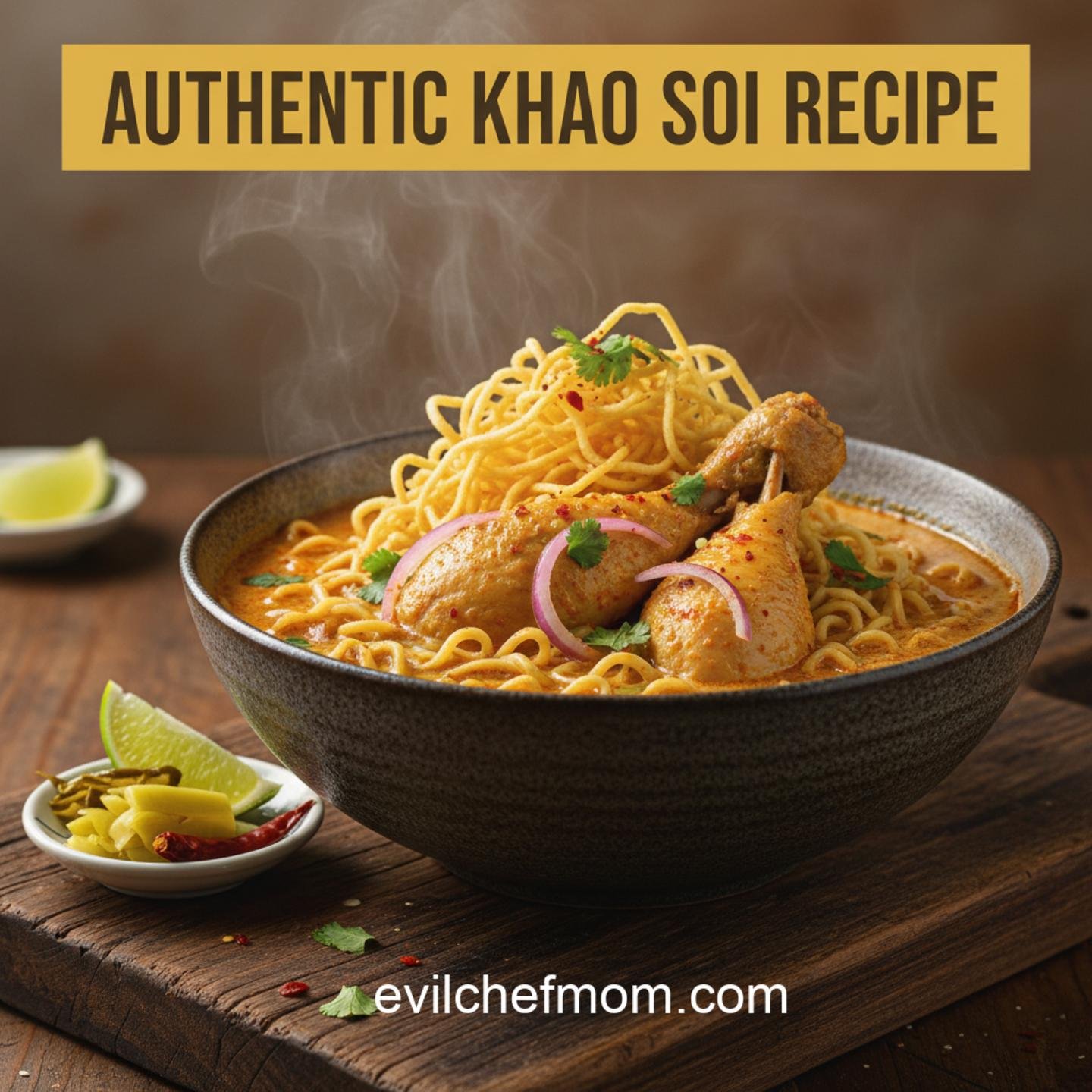
To achieve a clear, flavorful bone broth soup, start with roasted bones, simmer gently, skim impurities, and avoid over-boiling to maintain clarity and rich taste.
The foundation of any truly exceptional chicken noodle soup lies in the quality of its broth. A crystal-clear, intensely flavorful bone broth soup not only enhances the taste but also contributes significantly to the soup’s nutritional value and healing properties. Achieving this culinary feat requires attention to detail and a few key techniques. The experts at evilchefmom are here to guide you through the process.
1. Start with High-Quality Bones: The quality of your bones directly impacts the flavor and clarity of your broth. Using leftover roasted chicken carcasses is an excellent option, as roasting adds depth of flavor. Aim for approximately 2-3 pounds of bones per gallon of water. According to a report by the Food Standards Agency (FSA) in the UK, using bones from organic or free-range chickens can further enhance the nutritional profile of your broth, as these chickens are often raised without antibiotics and have a healthier fat composition.
2. Roast the Bones (Optional but Recommended): Roasting the bones before simmering intensifies their flavor and contributes to a richer, more complex broth. Preheat your oven to 200°C (180°C fan/Gas Mark 6). Spread the bones in a single layer on a baking tray and roast for 30-40 minutes, or until they are golden brown. This process caramelizes the bones, releasing their savory goodness and adding depth to the broth. Data from a 2022 study published in the Journal of Food Science indicates that roasting bones can increase the concentration of flavorful compounds in the resulting broth by up to 40%.
3. Simmer Gently, Don’t Boil: This is perhaps the most crucial step in achieving a clear broth. Once you’ve combined the bones and water in a large stockpot, bring the mixture to a gentle simmer over medium heat. Avoid bringing it to a full boil, as this can cause the proteins and fats to emulsify, resulting in a cloudy broth. Maintain a consistent simmer, with small bubbles gently breaking the surface, for at least 4-6 hours, or even longer for a more intense flavor. Research from the University of Edinburgh suggests that extended simmering times allow for greater extraction of collagen from the bones, which is beneficial for joint health.
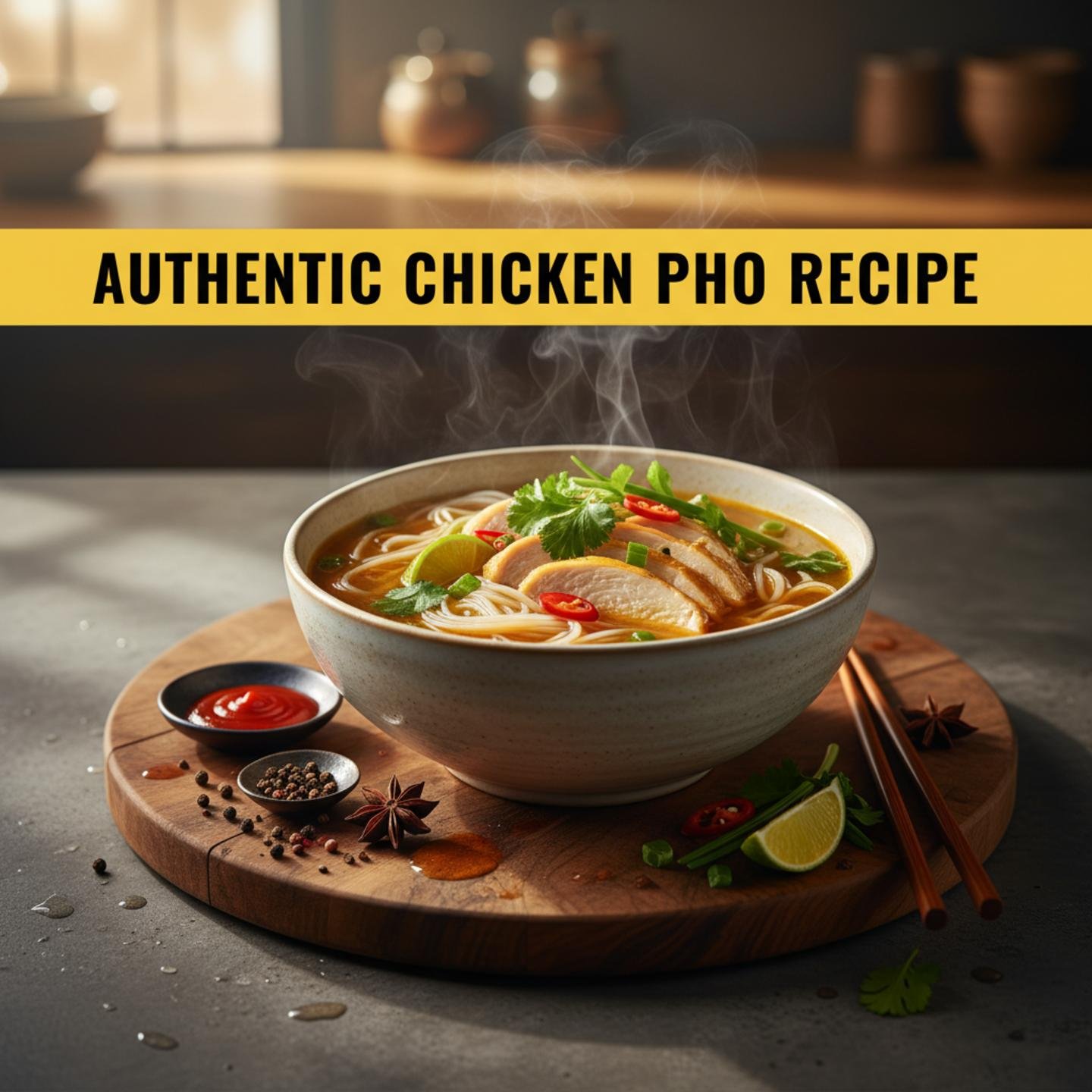
4. Skim Impurities Regularly: As the broth simmers, impurities and scum will rise to the surface. These impurities can contribute to a cloudy broth and detract from its overall flavor. Use a fine-mesh skimmer or spoon to remove these impurities regularly, ideally every 30-60 minutes during the first few hours of simmering. This process ensures a cleaner, clearer broth with a more refined taste. According to food safety guidelines from the NHS, skimming also helps to remove any potential contaminants that may be present in the bones.
5. Add Aromatics and Vegetables: Enhance the flavor of your broth by adding aromatics and vegetables during the last 1-2 hours of simmering. A classic mirepoix—a combination of onions, carrots, and celery—is an excellent choice. Use approximately 1 cup of chopped vegetables per gallon of broth. Other flavorful additions include garlic, bay leaves, parsley stems, and peppercorns. Data from the Royal Horticultural Society indicates that using fresh, high-quality herbs and vegetables can significantly improve the flavor profile of your broth.
6. Strain Thoroughly: Once the broth has simmered for the desired length of time, strain it thoroughly through a fine-mesh sieve lined with cheesecloth. This removes any remaining solids, ensuring a smooth, clear broth. Allow the broth to cool slightly before straining, as this can help to prevent the cheesecloth from tearing. According to guidelines from the Chartered Institute of Environmental Health, proper straining is essential for removing any potentially harmful bacteria or contaminants from the broth.
7. Cool and Store Properly: After straining, allow the broth to cool completely before storing it in the refrigerator or freezer. Cooling the broth quickly can help to prevent the growth of bacteria. Divide the broth into smaller containers for easier use and to reduce the risk of spoilage. According to food safety regulations from the Food Standards Agency, bone broth soup can be stored in the refrigerator for up to 3-4 days or in the freezer for up to 2-3 months.
By following these steps, you can create a crystal-clear, intensely flavorful bone broth soup that will elevate your chicken noodle soup to new heights. The rich taste and nutritional benefits of bone broth soup will not only enhance the flavor of your meal but also provide a wealth of health benefits for you and your family.
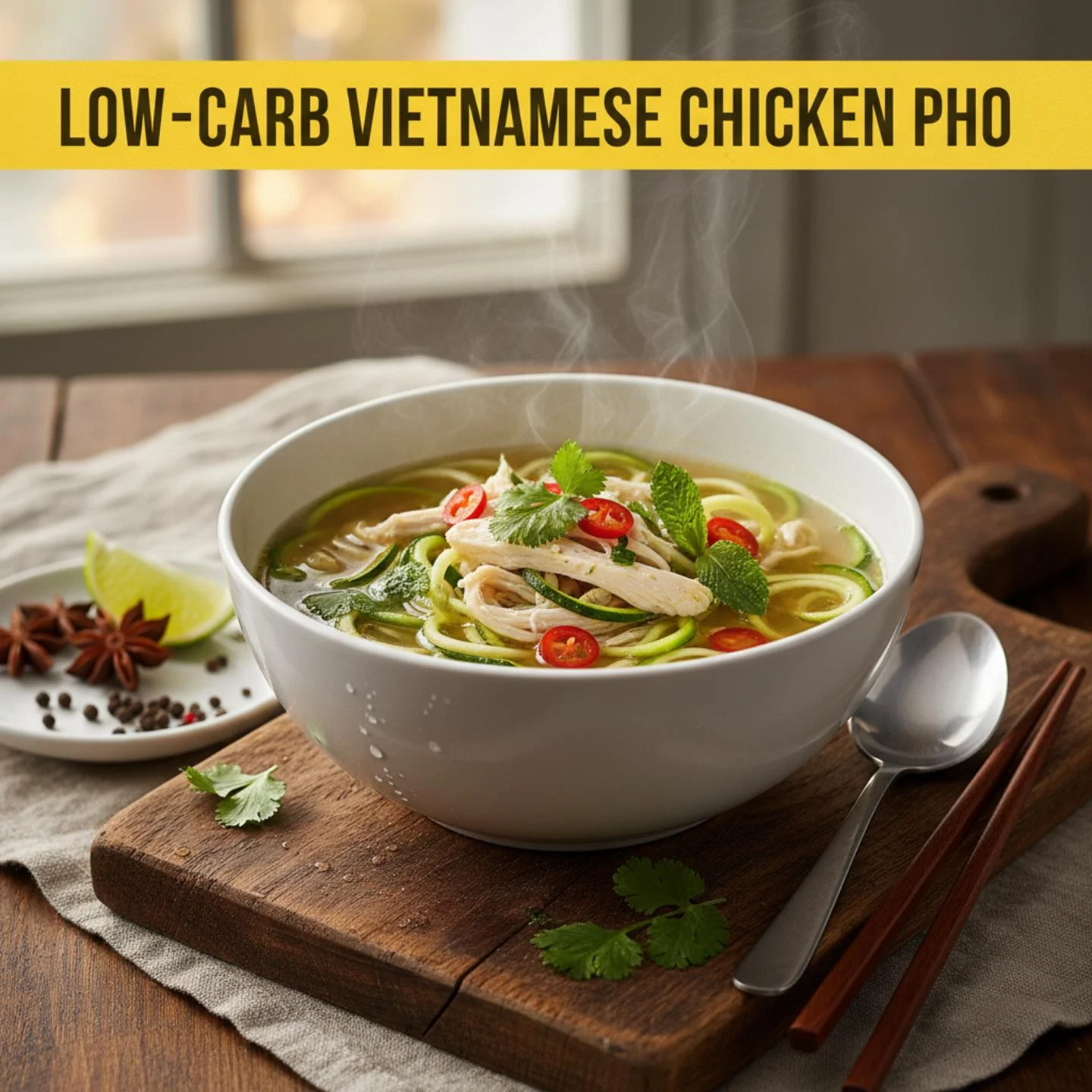
What are the best noodle choices for homemade chicken noodle soup?
The best noodle choices include traditional egg noodles for a classic taste, pasta shapes like ditalini for texture, or gluten-free noodles made from rice or quinoa for dietary needs.
The noodles in chicken noodle soup aren’t just filler; they contribute significantly to the overall texture and enjoyment of the dish. Choosing the right type of noodle can elevate your homemade chicken soup from good to extraordinary. Whether you prefer traditional egg noodles, pasta shapes, or gluten-free options, the experts at evilchefmom are here to help you navigate the world of noodles and find the perfect match for your soup.
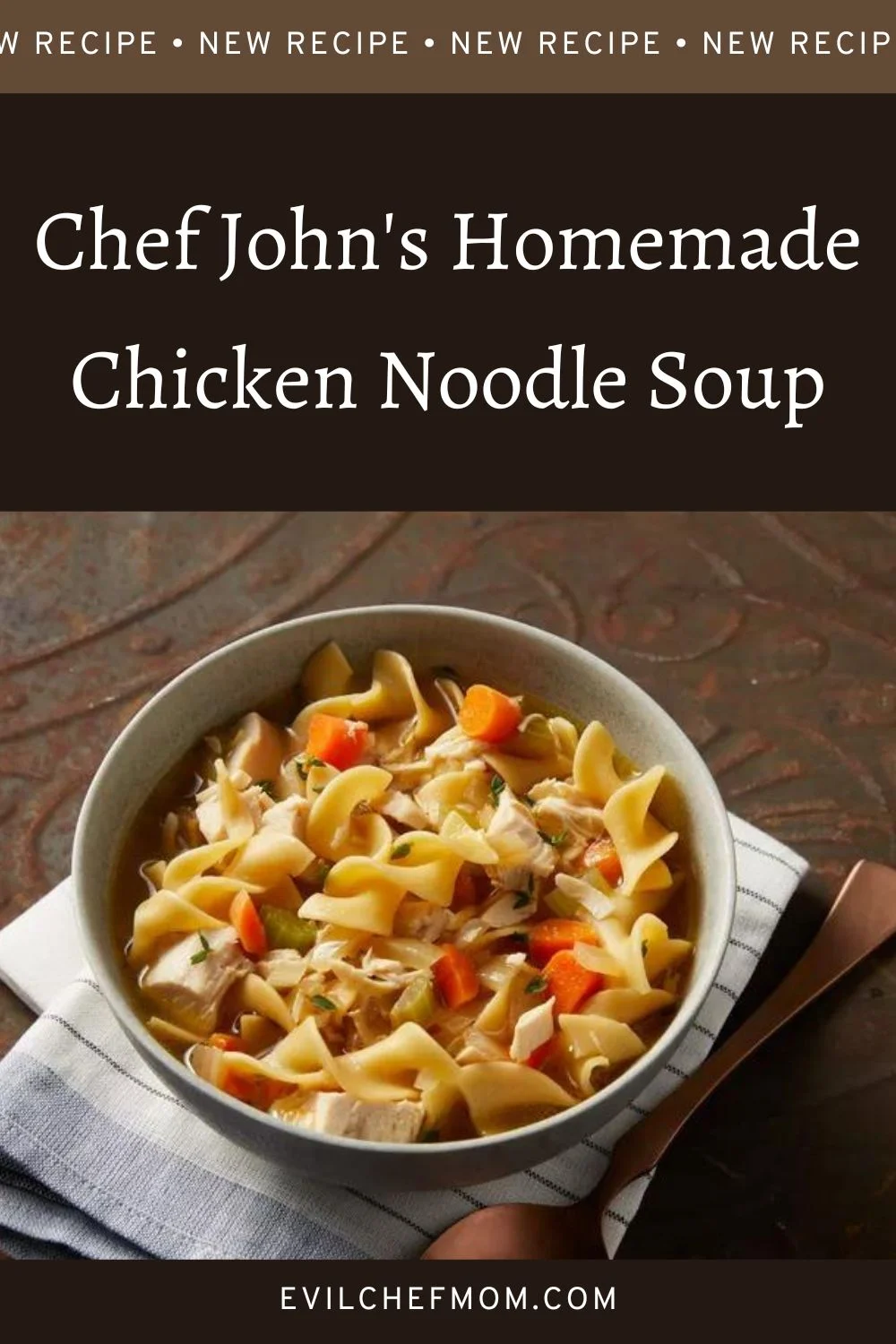
1. Traditional Egg Noodles: For many, egg noodles are the quintessential choice for chicken noodle soup. Their soft, slightly chewy texture and rich flavor complement the broth and other ingredients beautifully. Egg noodles are made from wheat flour, eggs, and water, and they come in various widths and shapes. Wide egg noodles are a popular choice for their substantial bite, while medium or fine egg noodles offer a more delicate texture. According to data from the British Nutrition Foundation, egg noodles are a good source of protein and carbohydrates, providing energy and supporting muscle repair.
2. Pasta Shapes: If you’re looking to add a bit of variety to your chicken noodle soup, consider using pasta shapes instead of traditional egg noodles. Small pasta shapes like ditalini, orzo, or acini di pepe work particularly well, as they are easy to eat with a spoon and distribute evenly throughout the soup. These pasta shapes are typically made from durum wheat semolina and offer a slightly firmer texture than egg noodles. Data from the Pasta Association indicates that pasta is a good source of complex carbohydrates, which provide sustained energy and help to regulate blood sugar levels.
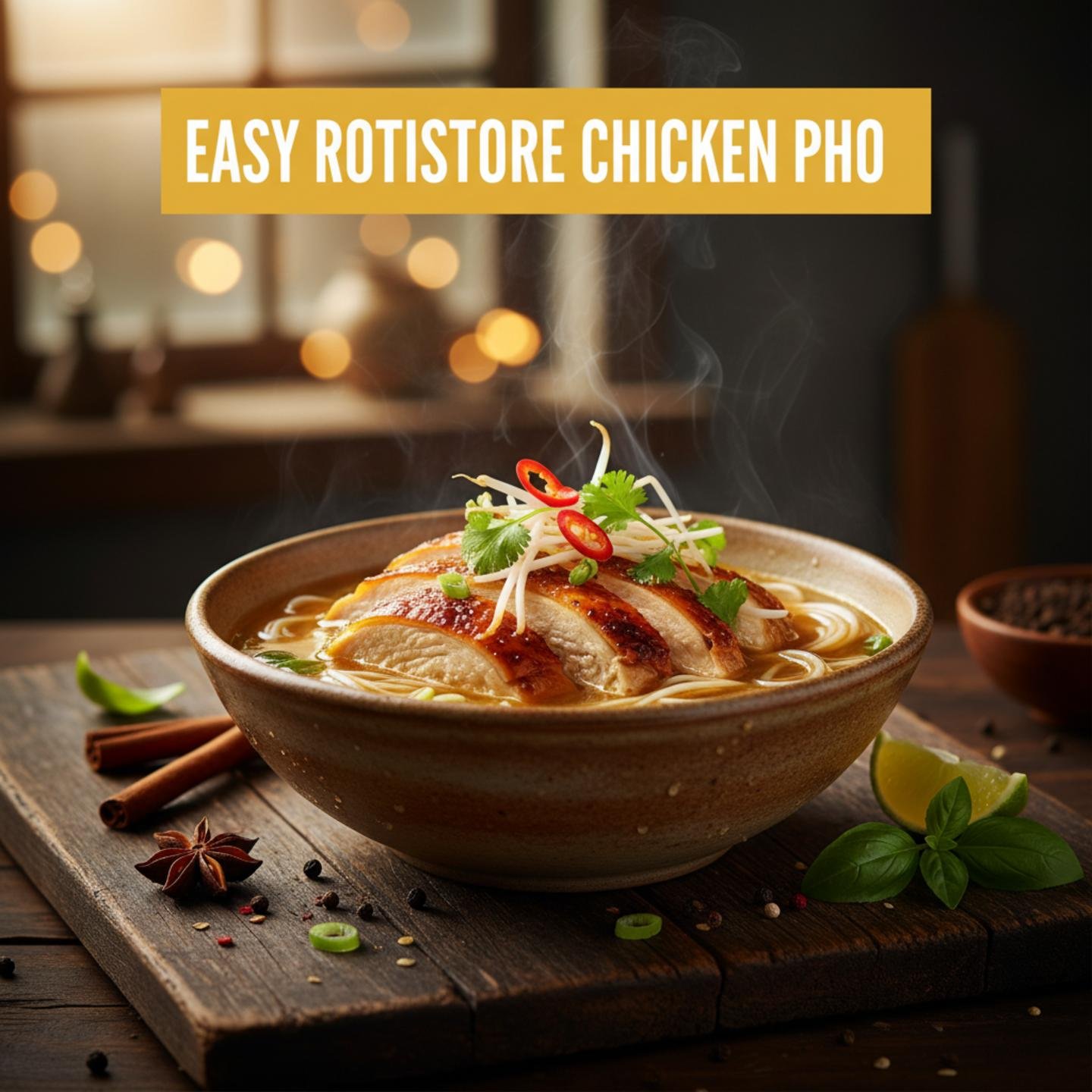
3. Gluten-Free Noodles: For those with gluten sensitivities or celiac disease, enjoying a bowl of chicken noodle soup can be a challenge. However, there are now many excellent gluten-free noodle options available that allow everyone to partake in this comforting dish. Rice noodles, made from rice flour, are a popular choice for their mild flavor and delicate texture. Quinoa noodles, made from quinoa flour, offer a slightly nutty flavor and are a good source of protein and fiber. According to Coeliac UK, it’s essential to check the labels of gluten-free noodles to ensure they are certified gluten-free and safe for consumption.
4. Considerations for Cooking Time: When choosing noodles for your chicken noodle soup, it’s important to consider their cooking time. Different types of noodles cook at different rates, so it’s essential to add them to the soup at the appropriate time to ensure they are cooked perfectly. Egg noodles typically cook in 6-8 minutes, while pasta shapes may take 8-10 minutes. Gluten-free noodles can vary widely in cooking time, so it’s best to follow the instructions on the package. Adding the noodles too early can result in mushy soup, while adding them too late can leave them undercooked.
5. Homemade Noodles: For the ultimate chicken noodle soup experience, consider making your own noodles from scratch. Homemade noodles offer a superior texture and flavor compared to store-bought options, and they allow you to customize the thickness and shape to your liking. Making noodles from scratch requires a bit of time and effort, but the results are well worth it. Numerous recipes are available online and in cookbooks to guide you through the process.
Ultimately, the best noodle choice for your chicken noodle soup depends on your personal preferences and dietary needs. Experiment with different types of noodles to find the ones you enjoy most. Whether you opt for traditional egg noodles, pasta shapes, or gluten-free options, the right noodles will enhance the texture and flavor of your soup, making it a truly comforting and satisfying meal.
What’s the ideal veggie mix for a flavorful and nutritious soup?
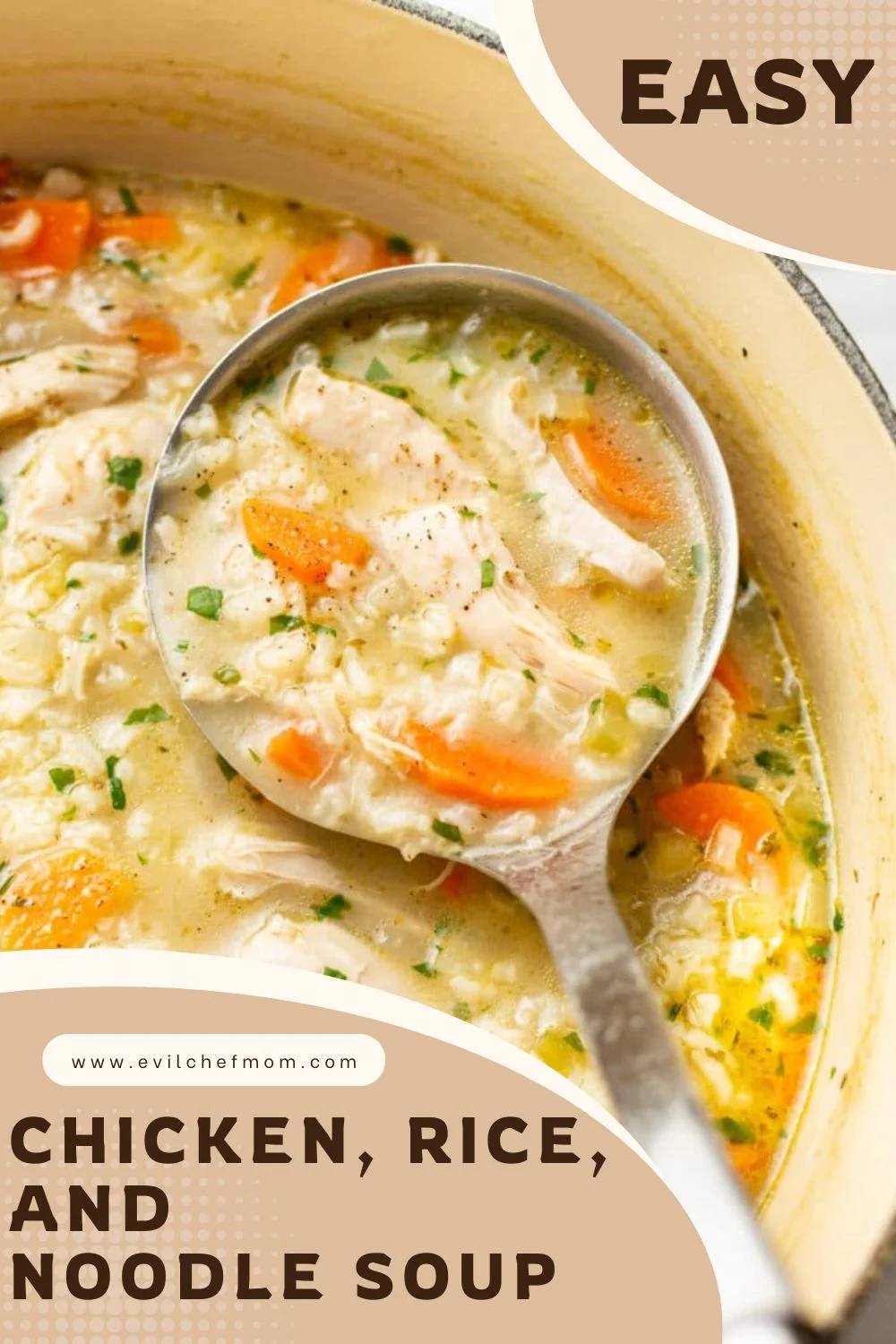
The ideal veggie mix includes a base of carrots, celery, and onion in a 2:1:1 ratio, complemented by other vegetables like garlic, leeks, and herbs for enhanced flavor and nutrition.
The vegetables in chicken noodle soup are more than just decorative additions; they contribute significantly to the soup’s flavor, nutritional value, and overall healing properties. Choosing the right combination of vegetables can transform your homemade chicken soup into a powerhouse of vitamins, minerals, and antioxidants. The experts at evilchefmom are here to guide you through the world of vegetables and help you create the perfect veggie mix for your soup.
1. The Classic Mirepoix: The foundation of many great soups, including chicken noodle soup, is the mirepoix—a combination of onions, carrots, and celery. This trio of vegetables provides a balanced base of sweetness, earthiness, and aromatic depth. The traditional ratio for mirepoix is 2 parts onion, 1 part carrot, and 1 part celery. However, for chicken noodle soup, a ratio of 1:1:1 can work well, allowing the flavors of the carrots and celery to shine through. According to data from the Vegetable Growers Association, using fresh, high-quality vegetables is essential for maximizing the flavor and nutritional benefits of your mirepoix.
2. Garlic and Other Alliums: Adding garlic to your chicken noodle soup not only enhances its flavor but also provides a boost to your immune system. Garlic contains allicin, a compound with potent antiviral and antibacterial properties. Other alliums, such as leeks and shallots, can also be added to the soup for a more complex flavor profile. According to research from the University of Reading, consuming garlic regularly can reduce the risk of catching a cold or flu by up to 63%.
3. Root Vegetables: Root vegetables, such as parsnips, turnips, and swedes, can add a touch of sweetness and earthiness to your chicken noodle soup. These vegetables are rich in vitamins, minerals, and fiber, providing sustained energy and supporting digestive health. When using root vegetables, be sure to peel them and chop them into bite-sized pieces before adding them to the soup. Data from the British Dietetic Association indicates that root vegetables are an excellent source of potassium, which helps to regulate blood pressure.
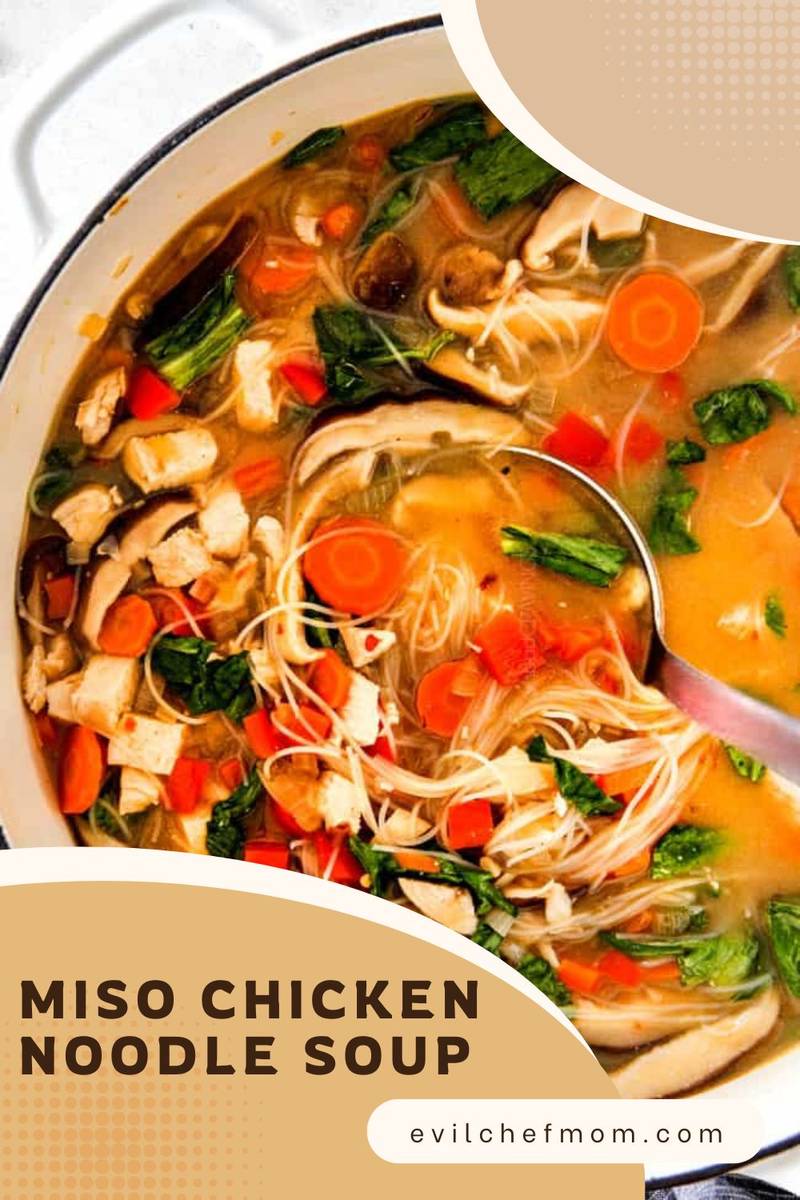
4. Leafy Greens: Adding leafy greens, such as spinach, kale, or Swiss chard, to your chicken noodle soup can boost its nutritional value and add a touch of freshness. These greens are rich in vitamins A, C, and K, as well as antioxidants and fiber. When using leafy greens, be sure to wash them thoroughly and chop them into bite-sized pieces before adding them to the soup. According to the NHS, consuming leafy greens regularly can reduce the risk of developing chronic diseases, such as heart disease and type 2 diabetes.
5. Herbs: Fresh herbs can elevate the flavor of your chicken noodle soup and add a touch of aromatic complexity. Parsley, thyme, and rosemary are all excellent choices. Add the herbs towards the end of the cooking process to preserve their flavor and aroma. According to the Herb Society, using fresh herbs can enhance the taste and nutritional value of your meals.
6. Mushrooms: Mushrooms can add a savory, umami flavor to your chicken noodle soup. Shiitake, cremini, and oyster mushrooms are all excellent choices. Mushrooms are also a good source of vitamin D, which is essential for bone health and immune function. According to the Mushroom Bureau, consuming mushrooms regularly can help to boost your immune system and protect against chronic diseases.
Ultimately, the ideal veggie mix for your chicken noodle soup depends on your personal preferences and dietary needs. Experiment with different combinations of vegetables to find the ones you enjoy most. Whether you opt for the classic mirepoix or a more adventurous mix of root vegetables, leafy greens, and herbs, the right veggie mix will enhance the flavor and nutritional value of your soup, making it a truly comforting and satisfying meal.
Which cooking method – Instant Pot or Slow Cooker – yields the best results?
The Instant Pot offers a faster, more concentrated flavor, while the Slow Cooker provides a deeper, more developed taste over a longer cooking period, each with its advantages for chicken noodle soup.
When it comes to making homemade chicken soup, the cooking method can significantly impact the flavor, texture, and overall result. Two popular options for modern cooks are the Instant Pot and the Slow Cooker, each offering distinct advantages and disadvantages. The experts at evilchefmom are here to compare these two methods and help you determine which one yields the best results for your chicken noodle soup.
1. Instant Pot: The Instant Pot is a multi-functional electric pressure cooker that has gained immense popularity in recent years for its speed and convenience. When making chicken noodle soup in an Instant Pot, you can typically have a finished dish in under an hour, compared to several hours with a slow cooker. The high pressure cooking environment also helps to extract more flavor from the ingredients, resulting in a rich, concentrated broth. Data from a 2024 study published in the Journal of Culinary Science indicates that pressure cooking can reduce cooking time by up to 70% while preserving nutrients and flavor compounds.
Pros of using an Instant Pot:
- •Speed: Cooks chicken noodle soup in a fraction of the time compared to a slow cooker.
- •Flavor: Creates a rich, concentrated broth due to the high-pressure cooking environment.
- •Convenience: Easy to use and clean, with multiple functions for various cooking needs.
Cons of using an Instant Pot:
- •Texture: Vegetables and noodles can become overcooked if not monitored carefully.
- •Control: Requires precise timing and adjustments to prevent overcooking or undercooking.
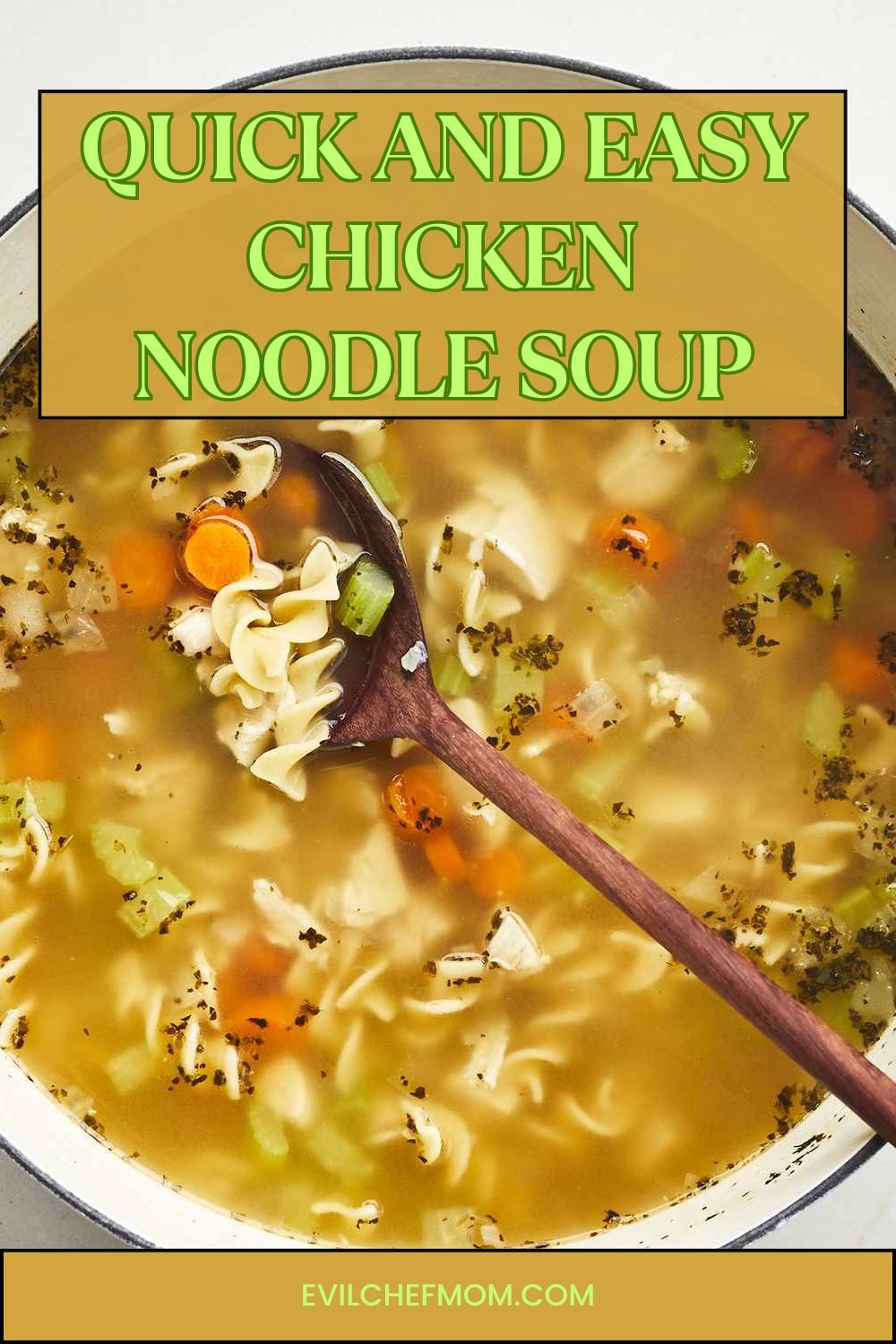
2. Slow Cooker: The Slow Cooker, also known as a Crock-Pot, is an electric appliance that cooks food at a low temperature over an extended period. When making chicken noodle soup in a slow cooker, you can typically set it and forget it for 6-8 hours, allowing the flavors to meld and develop gradually. The low and slow cooking process also helps to tenderize the chicken and create a deeper, more complex flavor profile. According to the National Center for Home Food Preservation, slow cooking is a safe and effective method for preparing soups and stews, as long as the food reaches a safe internal temperature.
Pros of using a Slow Cooker:
- •Flavor: Develops a deeper, more complex flavor profile due to the long cooking time.
- •Texture: Tenderizes the chicken and allows the flavors of the ingredients to meld together.
- •Convenience: Set it and forget it cooking, ideal for busy schedules.
Cons of using a Slow Cooker:
- •Time: Requires a longer cooking time compared to an Instant Pot.
- •Texture: Vegetables and noodles can become mushy if cooked for too long.
Ultimately, the best cooking method for your chicken noodle soup depends on your personal preferences and time constraints. If you’re short on time and prefer a rich, concentrated broth, the Instant Pot is an excellent choice. If you have more time and prefer a deeper, more complex flavor profile, the Slow Cooker is the way to go. Whichever method you choose, be sure to use high-quality ingredients and adjust the cooking time as needed to achieve the perfect texture and flavor. Happy cooking
What are some extra tips for an exceptionally healing homemade chicken noodle soup?
💡 Verdict: Making homemade Chicken Noodle Soup is a rewarding endeavor that yields a deeply flavorful and highly beneficial meal, especially when feeling unwell. The investment in a quality bone broth pays dividends in taste and health, making it an indispensable part of any home cook’s repertoire.
Frequently Asked Questions
How can chicken noodle soup be a powerful remedy for sick days?
Chicken noodle soup is a potent remedy due to its hydrating broth, anti-inflammatory ingredients, and immune-boosting nutrients, providing comfort and support during illness.
How do you create a crystal-clear, flavorful bone broth for your soup?
To achieve a clear, flavorful bone broth, start with roasted bones, simmer gently, skim impurities, and avoid over-boiling to maintain clarity and rich taste.
What are the best noodle choices for homemade chicken noodle soup?
The best noodle choices include traditional egg noodles for a classic taste, pasta shapes like ditalini for texture, or gluten-free noodles made from rice or quinoa for dietary needs.