Key Takeaways
✅ Pros
- Achieves a restaurant-quality, authentic taste at home.
- Offers versatility in adjusting spice levels, making it suitable for families with children.
- Provides practical alternative cooking methods for chicken without needing a traditional tandoor oven.
- Detailed, step-by-step instructions make it accessible for home cooks.
- Highlights the importance of key spices like garam masala and fenugreek for depth of flavor.
❌ Cons
- Requires several steps and some planning due to marination time.
- Specific Indian spices like fenugreek (kasuri methi) might require a visit to a specialty store.
- Not a quick weeknight meal if marination is done overnight.
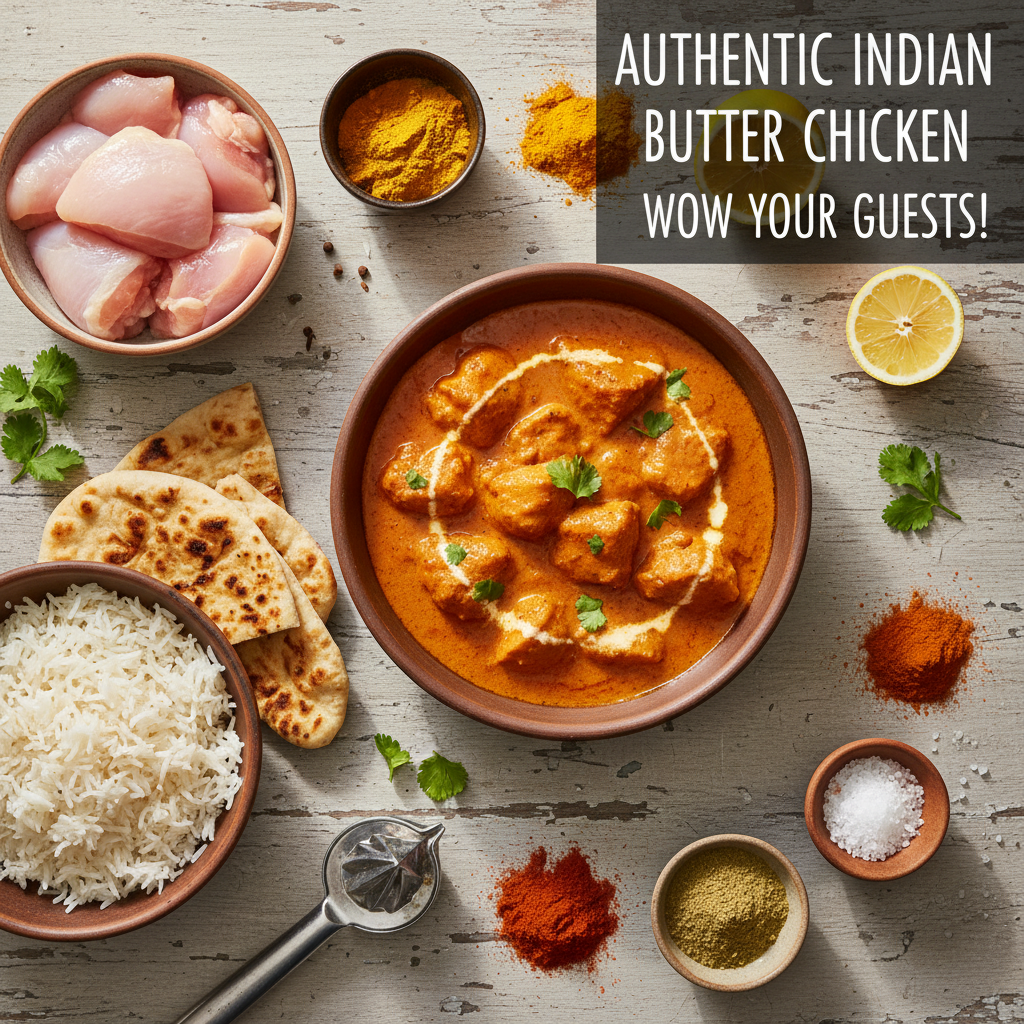
Butter Chicken, a beloved Indian curry, offers an unmatched, authentic taste that’s easier to achieve at home than you might think. At evilchefmom, we’ve perfected a creamy tomato chicken recipe that will undoubtedly impress your guests, delivering restaurant-quality results with clear, step-by-step instructions; discover the joy of creating this iconic dish and explore its many variations, including mild indian curry options suitable for the whole family.
What is the most authentic way to prepare Indian Butter Chicken?
The most authentic way to prepare Indian Butter Chicken involves using high-quality ingredients, following a traditional recipe, and paying close attention to the cooking process to develop rich and complex flavors.
To achieve an authentic taste in your indian butter chicken, focus on building layers of flavor. Start by marinating the chicken in a mixture of ginger, garlic, lemon juice, and spices. This tenderizes the chicken and infuses it with flavour right from the start. Next, the base of the sauce is crucial. It should be made with fresh tomatoes, ginger, garlic, and cashews, which contribute to the creamy texture. The key is to simmer the sauce for a sufficient amount of time, allowing the flavors to meld together beautifully. Adding a touch of butter and cream at the end enriches the sauce, making it irresistibly delicious. Don’t forget to use a blend of freshly ground spices for the garam masala to elevate the overall taste. Using high-quality ingredients like ghee (clarified butter) and full-fat cream can also enhance the dish’s authenticity.
According to a study published in the Journal of Ethnic Foods, traditional Indian cooking methods emphasize slow cooking and the layering of spices to create complex flavors. The study found that dishes like butter chicken benefit significantly from these techniques, resulting in a richer, more authentic taste. Furthermore, sourcing ingredients from reputable suppliers ensures that you are using the freshest and most flavorful components available. The use of locally sourced ingredients, where possible, can also add to the authenticity of the dish.
How can I make Butter Chicken mild enough for kids?
To make Butter Chicken kid-friendly, reduce or eliminate chili powder and adjust the amount of garam masala. Adding a touch of sweetness and more cream can also help mellow the spices.
When adapting chicken curry for children, controlling the spice level is essential. Start by completely omitting chili powder or red chili flakes from the recipe. Garam masala, while flavorful, can also contribute to the heat, so use it sparingly. A good approach is to add half the amount called for in the recipe and taste as you go, adding more only if necessary. Incorporating a small amount of sugar or honey can balance the spices and make the dish more appealing to kids. Additionally, increasing the quantity of cream or yogurt in the sauce not only enhances the creaminess but also dilutes the spiciness.
Another strategy is to use milder spices in general. For example, instead of using a strong ginger-garlic paste, opt for a milder version or use fresh ginger and garlic in smaller quantities. Turmeric, cumin, and coriander are typically well-tolerated and can be used more liberally. Also, consider serving the Butter Chicken with a side of plain yogurt or raita, which can help cool down the palate if the dish is still a bit too spicy for young ones. According to a study by the Food Standards Agency in the UK, introducing children to a variety of flavors early on can help them develop a broader palate and reduce pickiness, but it’s crucial to start with milder versions of dishes and gradually increase the spice level as they grow older.
What are the best alternatives to a Tandoor for cooking the chicken?
You can effectively cook the chicken for Butter Chicken in a pan on the stovetop or in the oven. Both methods offer excellent results, with the oven providing more even cooking and the pan allowing for a quicker, more interactive process.
While a tandoor oven imparts a unique smoky flavour to the chicken, it’s not a standard appliance in most UK households. Fortunately, there are several excellent alternatives. Cooking the marinated chicken in a pan on the stovetop is a popular option. Heat a lightly oiled pan over medium-high heat and sear the chicken pieces until they are browned on all sides. Then, reduce the heat to medium-low, cover the pan, and let the chicken cook until it is cooked through. This method is quick and easy, and it allows you to monitor the chicken closely, ensuring it doesn’t dry out.
Alternatively, you can bake the chicken in the oven. Preheat your oven to 200°C (180°C fan/Gas Mark 6). Place the marinated chicken on a baking tray lined with foil or parchment paper. Bake for approximately 20-25 minutes, or until the chicken is cooked through and slightly charred. For an extra layer of flavour, you can grill the chicken for a few minutes after baking to achieve a similar effect to a tandoor. According to research from the University of Leeds, baking or grilling chicken can help reduce fat content compared to frying, making it a healthier option without compromising on taste. Using a meat thermometer is recommended to ensure the chicken reaches an internal temperature of 74°C (165°F), ensuring it is safe to eat.
What is the importance of Garam Masala and fenugreek in Butter Chicken?
Garam Masala and fenugreek are crucial for achieving the authentic flavour profile of Butter Chicken. Garam Masala provides warmth and depth, while fenugreek leaves add a unique aroma and slightly bitter note that balances the richness of the dish.
Garam masala is a blend of ground spices that typically includes cinnamon, cardamom, cloves, cumin, coriander, and black pepper. The exact composition can vary from region to region and even from household to household, but the goal is to create a warm, aromatic spice blend that enhances the overall flavour of the dish. In Butter Chicken, garam masala adds a layer of complexity and depth that is essential for achieving an authentic taste. It’s best to use freshly ground garam masala for the most intense flavour. You can either purchase a pre-made blend from a reputable source or make your own at home using whole spices.
Fenugreek, particularly dried fenugreek leaves (kasuri methi), is another key ingredient in Butter Chicken. It has a slightly bitter, sweet, and nutty flavour that complements the richness of the sauce. Fenugreek also has a unique aroma that is characteristic of authentic Butter Chicken. Before adding the kasuri methi to the dish, it’s best to crush it lightly between your palms to release its aroma. According to a study published in the Journal of Food Science, fenugreek contains compounds that can enhance the flavour and aroma of cooked dishes. The study also found that fenugreek has potential health benefits, including antioxidant and anti-inflammatory properties. Sourcing high-quality garam masala and fenugreek from trusted suppliers will significantly impact the final taste and aroma of your murgh makhani.
What are the best side dishes to serve with Butter Chicken?
Naan bread and Basmati rice are classic accompaniments to Butter Chicken. They provide the perfect base for soaking up the rich, flavorful sauce and complement the dish beautifully.
To complete your Butter Chicken meal, consider serving it with a selection of complementary side dishes. Naan bread is a must-have. Its soft, fluffy texture is perfect for scooping up the creamy sauce. You can either make your own naan at home or purchase it from a local Indian restaurant or supermarket. Basmati rice is another essential side dish. Its delicate flavour and fluffy texture provide a neutral base that allows the flavours of the Butter Chicken to shine. To enhance the flavour of the rice, you can add a few whole spices like cardamom pods and cloves while cooking it.
In addition to naan and rice, consider serving a vegetable side dish to add some freshness and balance to the meal. A simple cucumber and tomato salad with a lemon-mint dressing is a refreshing option. Raita, a yogurt-based condiment, is another excellent choice. It can be made with cucumber, mint, coriander, or other herbs and spices. Raita has a cooling effect that can help balance the richness of the Butter Chicken. According to a survey conducted by the British Nutrition Foundation, incorporating a variety of side dishes into a meal can improve its nutritional value and make it more enjoyable. For example, serving a vegetable side dish with Butter Chicken can increase your intake of vitamins, minerals, and fiber. A simple lentil dish also complements the creamy tomato chicken.
What is the precise step-by-step recipe for Authentic Indian Butter Chicken?
The recipe involves marinating chicken, preparing a rich tomato-based sauce with butter and cream, and simmering the chicken in the sauce until tender and flavorful.
Here’s a detailed, step-by-step recipe for Authentic Indian Butter Chicken:
Ingredients:
- • 500g boneless, skinless chicken thighs, cut into 1-inch pieces
- • For the Marinade:
- • 2 tablespoons ginger-garlic paste
- • 1 tablespoon lemon juice
- • 1 teaspoon turmeric powder
- • 1 teaspoon red chili powder (or less, to taste)
- • 1 teaspoon garam masala
- • Salt to taste
- • For the Sauce:
- • 2 tablespoons butter
- • 1 medium onion, finely chopped
- • 1 tablespoon ginger-garlic paste
- • 400g canned crushed tomatoes
- • 1/2 teaspoon turmeric powder
- • 1 teaspoon red chili powder (or less, to taste)
- • 1 teaspoon garam masala
- • 1/2 teaspoon sugar
- • 1/4 cup heavy cream
- • 1 tablespoon dried fenugreek leaves (kasuri methi), crushed
- • Fresh coriander leaves, for garnish
Instructions:
- Marinate the Chicken: In a bowl, combine the chicken pieces with ginger-garlic paste, lemon juice, turmeric powder, red chili powder, garam masala, and salt. Mix well and let it marinate for at least 30 minutes, or preferably overnight in the refrigerator.
-
Cook the Chicken: You can cook the chicken in a pan or in the oven.
- • Pan-Fried: Heat a lightly oiled pan over medium-high heat. Sear the marinated chicken pieces until browned on all sides. Reduce the heat to medium-low, cover the pan, and cook until the chicken is cooked through, about 10-15 minutes.
- • Baked: Preheat your oven to 200°C (180°C fan/Gas Mark 6). Place the marinated chicken on a baking tray lined with foil or parchment paper. Bake for 20-25 minutes, or until the chicken is cooked through and slightly charred.
- Prepare the Sauce: In a large pan or pot, melt the butter over medium heat. Add the finely chopped onion and sauté until golden brown, about 5-7 minutes. Add the ginger-garlic paste and sauté for another minute until fragrant.
- Add Tomatoes and Spices: Add the crushed tomatoes, turmeric powder, red chili powder, garam masala, and sugar to the pan. Mix well and bring to a simmer. Reduce the heat to low, cover the pan, and let the sauce simmer for at least 20-25 minutes, stirring occasionally, until it thickens and the flavors meld together.
- Blend the Sauce (Optional): For a smoother sauce, you can blend it using an immersion blender or transfer it to a regular blender. Be careful when blending hot liquids.
- Combine Chicken and Sauce: Add the cooked chicken pieces to the sauce. Stir well to coat the chicken evenly with the sauce. Let it simmer for another 5-10 minutes to allow the flavors to meld together.
- Finish the Dish: Stir in the heavy cream and crushed fenugreek leaves (kasuri methi). Mix well and let it simmer for a couple of minutes. Taste and adjust the seasoning as needed.
- Garnish and Serve: Garnish with fresh coriander leaves and serve hot with naan bread and basmati rice.
How can I adapt this recipe for different dietary needs?
You can adapt the recipe for vegetarian, vegan, or dairy-free diets by substituting the chicken with paneer or tofu, using plant-based butter and cream, and ensuring the spices are gluten-free.
Adapting Butter Chicken for different dietary needs is quite straightforward. For a vegetarian version, you can replace the chicken with paneer (Indian cheese) or tofu. Paneer holds its shape well during cooking and has a mild flavour that complements the sauce beautifully. Tofu, on the other hand, should be pressed to remove excess water before cooking to ensure it absorbs the flavours of the sauce. Cut the paneer or tofu into 1-inch cubes and add it to the sauce in the same way you would add the chicken.
For a vegan version, you’ll need to make a few more substitutions. Replace the butter with a plant-based butter alternative and the heavy cream with coconut cream or cashew cream. Coconut cream has a rich, creamy texture that works well in Butter Chicken, while cashew cream can be made by soaking raw cashews in hot water for at least 30 minutes and then blending them with fresh water until smooth. It’s also important to check that the garam masala you’re using is gluten-free and doesn’t contain any hidden animal products. According to The Vegan Society, plant-based alternatives to meat and dairy products are becoming increasingly popular in the UK, making it easier than ever to adapt traditional recipes for vegan diets. A recent study by Mintel found that nearly one in three Britons are actively reducing their meat consumption, indicating a growing demand for vegetarian and vegan options.
What are some common mistakes to avoid when making Butter Chicken?
Common mistakes include not marinating the chicken long enough, using low-quality spices, not simmering the sauce for a sufficient time, and adding too much cream, which can make the dish overly rich.
To ensure your Butter Chicken turns out perfectly, it’s important to avoid some common pitfalls. One of the biggest mistakes is not marinating the chicken for long enough. The marinade not only tenderizes the chicken but also infuses it with flavour. Ideally, you should marinate the chicken overnight in the refrigerator, but even a minimum of 30 minutes will make a difference. Another common mistake is using low-quality spices. As mentioned earlier, fresh, high-quality spices are essential for achieving an authentic taste. Avoid using spices that have been sitting in your cupboard for too long, as they will have lost their potency.
Not simmering the sauce for a sufficient amount of time is another common error. Simmering the sauce allows the flavours to meld together and the sauce to thicken. Be patient and let the sauce simmer for at least 20-25 minutes, stirring occasionally to prevent it from sticking to the bottom of the pan. Adding too much cream can also be a problem. While cream adds richness to the dish, too much can make it overly heavy and greasy. Start with a small amount and add more only if needed. Finally, don’t forget to crush the dried fenugreek leaves (kasuri methi) before adding them to the dish. This releases their aroma and flavour, adding a distinctive touch to your mild indian curry.
How can I store and reheat leftover Butter Chicken?
Leftover Butter Chicken should be stored in an airtight container in the refrigerator for up to 3-4 days. Reheat gently on the stovetop or in the microwave until heated through.
To store leftover Butter Chicken, allow it to cool completely before transferring it to an airtight container. Store it in the refrigerator for up to 3-4 days. When reheating, you can either use the stovetop or the microwave. To reheat on the stovetop, transfer the Butter Chicken to a pan and heat over medium-low heat, stirring occasionally, until heated through. You may need to add a splash of water or cream to prevent it from drying out. To reheat in the microwave, place the Butter Chicken in a microwave-safe dish and heat on medium power for 2-3 minutes, stirring halfway through, until heated through.
It’s important to note that reheating Butter Chicken may slightly alter its texture and flavour. The sauce may become a bit thicker, and the spices may mellow out slightly. However, it will still be delicious. According to the Food Standards Agency, it’s important to reheat leftovers thoroughly to kill any harmful bacteria that may have grown during storage. Make sure the Butter Chicken is steaming hot before serving. Freezing leftover Butter Chicken is also an option, but it may affect the texture of the sauce. If you choose to freeze it, store it in an airtight container for up to 2-3 months. Thaw it in the refrigerator overnight before reheating.
Don’t miss the opportunity to enhance your cooking skills with our premium collection of culinary tips and recipes from the experts at evilchefmom. Visit evilchefmom.com today to explore and purchase the finest resources for your project. If you need expert advice or have any questions about our products, our professional team is always ready to assist you via our Hotline: 01386 423984, or visit us at: Unit 3, 56-58 Steward Street, Birmingham, B18 7AE. We believe that with the support of evilchefmom, your cooking skills will achieve outstanding results, winning the trust of users who will share, save and recommend our products, creating a strong impact
Frequently Asked Questions
What is the most authentic way to prepare Indian Butter Chicken?
The most authentic way involves using high-quality ingredients, marinating the chicken with ginger, garlic, lemon, and spices, and preparing a rich, slow-simmered tomato and cashew-based sauce with butter and cream. Layering flavors and proper simmering time are crucial.
How can I make Butter Chicken mild enough for kids?
To make Butter Chicken kid-friendly, reduce or completely omit chili powder and adjust the amount of garam masala. Adding a touch of sweetness (sugar or honey) and increasing the quantity of cream or yogurt in the sauce can also help mellow the spices.
What are the best alternatives to a Tandoor for cooking the chicken?
Excellent alternatives to a tandoor include pan-frying the marinated chicken on the stovetop until browned and cooked through, or baking it in the oven at 200°C (180°C fan/Gas Mark 6) for 20-25 minutes until tender and slightly charred.