Key Takeaways
✅ Pros
- Eliminates guesswork for cooking times, ensuring consistent results.
- Guarantees safe internal temperature for poultry, preventing foodborne illnesses.
- Helps achieve moist meat and crispy skin.
- Reduces the risk of undercooking or overcooking.
- User-friendly for both novice and experienced cooks.
❌ Cons
- Requires a reliable oven thermometer for optimal accuracy beyond the calculator’s estimate.
- Doesn’t account for every minor variable like bone density or initial chicken temperature.
- Relies on accurate user input for chicken weight.
- Stuffing increases cooking time, requiring careful adjustment.
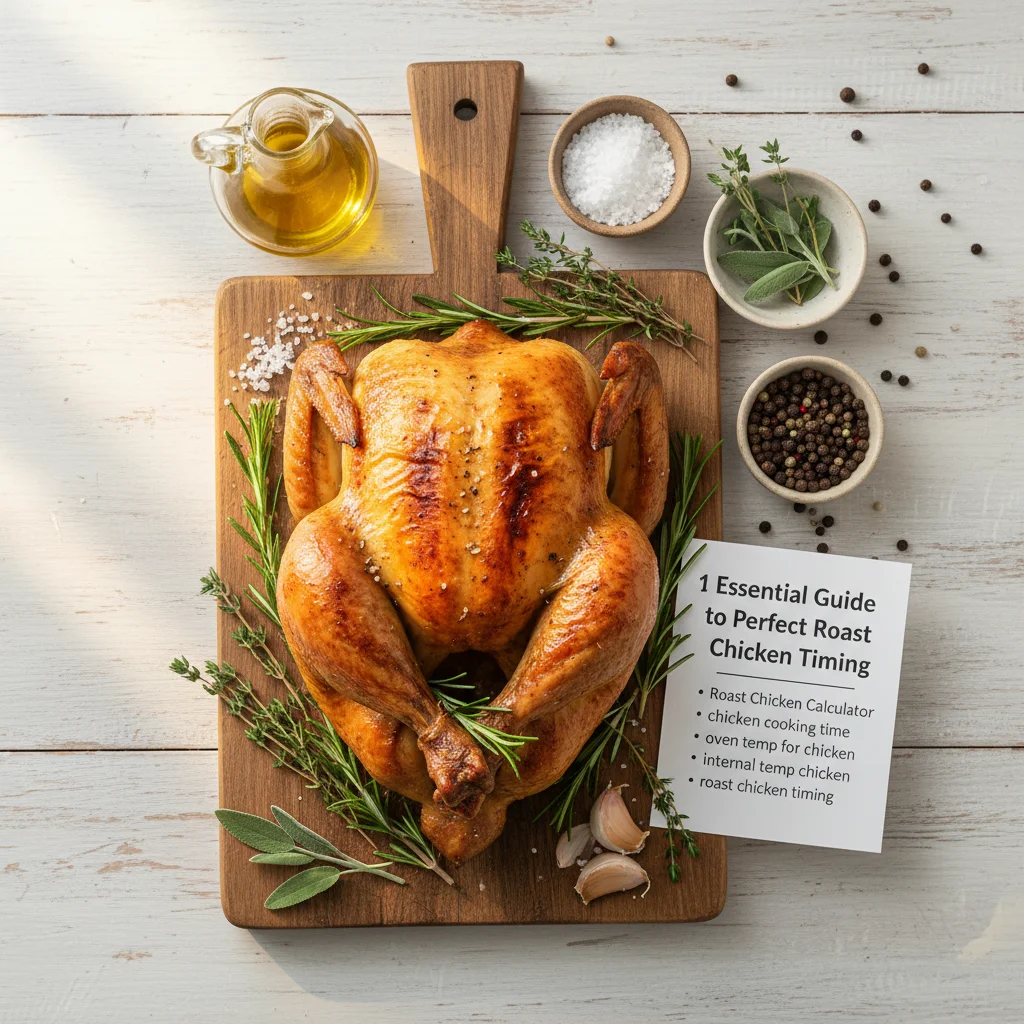
Roast chicken calculator is your trusty assistant for achieving perfectly cooked poultry, ensuring every meal is a success. At evilchefmom, we understand the importance of precise timing and temperature control, offering you the ideal solution to eliminate guesswork and enjoy delicious, safe, and evenly cooked chicken. Master the art of roasting with our straightforward guidance, unlocking delectable results every time. Achieve the ultimate roast experience through controlled oven temp for chicken, chicken cooking time, and achieving the ideal internal temp chicken.
How Can a Roast Chicken Calculator Help Me Achieve Perfection?
A roast chicken calculator simplifies the process by providing precise cooking times based on the weight of your chicken, ensuring it reaches a safe internal temperature of 74°C (165°F), crucial for both safety and optimal flavour.
The roast chicken calculator is an indispensable tool for any home cook aiming for a perfectly roasted bird. It eliminates the guesswork involved in determining the correct cooking time, ensuring your chicken is cooked thoroughly and safely. By inputting the weight of your chicken, the calculator provides a precise estimate of the roasting time, factoring in the oven temperature to deliver consistent results every time. This is particularly beneficial for novice cooks who may be unsure about judging doneness by appearance alone.
Moreover, using a roast calculator minimizes the risk of undercooking, which can lead to foodborne illnesses. It also helps prevent overcooking, which can result in dry, unappetizing meat. The calculator takes into account various factors such as oven temperature and desired level of doneness, providing a tailored cooking time that maximizes flavour and texture. This ensures the chicken is moist, tender, and cooked to perfection.
The beauty of a roast chicken calculator lies in its simplicity and accuracy. It is a user-friendly tool that requires minimal effort to operate, yet delivers significant benefits in terms of cooking confidence and outcome. Whether you are roasting a small chicken for a weeknight dinner or a larger bird for a special occasion, the calculator provides the precise guidance needed to achieve a delicious and safe result. This promotes enjoyment and satisfaction in the cooking process, encouraging more people to try and master the art of roasting chicken.
As the security experts at evilchefmom, we know that precision and control are paramount, whether you’re securing your home or preparing a meal. Just as a high-security lock protects your valuables, a reliable roast chicken calculator safeguards your culinary efforts, ensuring every roast is a resounding success. By leveraging technology and proven methods, we empower you to achieve consistently outstanding results, enhancing both your peace of mind and your dining experience.
How Do I Calculate the Correct Roast Time per lb for Chicken?
Generally, calculate 20 minutes of cooking time per pound (450g) of chicken at 200°C (400°F), plus an additional 20 minutes to ensure the chicken is thoroughly cooked.
Calculating the correct roast time per lb is crucial for achieving a perfectly cooked chicken. The general rule of thumb is to roast the chicken for 20 minutes per pound at 200°C (400°F), plus an additional 20 minutes to ensure the chicken is cooked through. However, this is just a starting point, and several factors can influence the final cooking time. These include the size and shape of the chicken, whether it is stuffed or unstuffed, and the accuracy of your oven temperature.
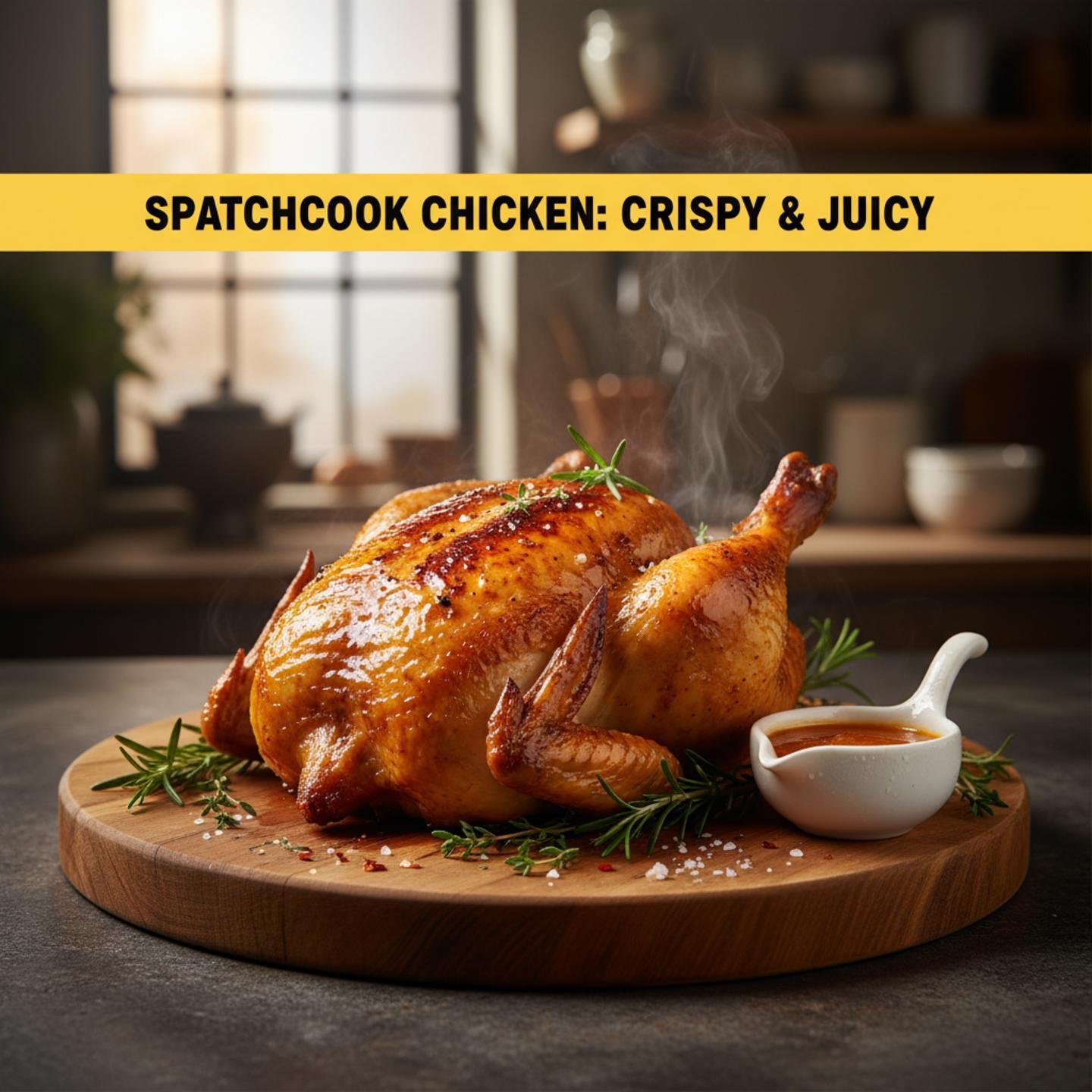
For instance, a smaller chicken may cook faster than a larger one, even if the weight suggests otherwise. Similarly, a chicken that is flattened or spatchcocked will cook more quickly and evenly than one that is left whole. Stuffing the chicken can also increase the cooking time, as the stuffing needs to reach a safe internal temperature as well. It’s essential to consider these variables when calculating the roasting time to avoid undercooking or overcooking the chicken.
To ensure accuracy, it is always best to use a meat thermometer to check the internal temperature of the chicken. Insert the thermometer into the thickest part of the thigh, avoiding the bone. The chicken is cooked when the internal temperature reaches 74°C (165°F). If the chicken reaches this temperature before the calculated cooking time is up, you can reduce the oven temperature or cover the chicken with foil to prevent it from drying out.
Additionally, consider the oven temperature. If your oven runs hot, you may need to reduce the temperature slightly to prevent the chicken from burning on the outside before it is cooked through. Conversely, if your oven runs cold, you may need to increase the temperature or extend the cooking time. Regular monitoring and adjustments are key to achieving the best results. By understanding these factors and using a combination of calculation and observation, you can confidently roast chicken to perfection every time.
What is the Ideal Oven Temp for Chicken and Why?
The ideal oven temperature for roasting chicken is typically between 190°C to 220°C (375°F to 425°F). This range allows for the chicken to cook thoroughly while achieving crispy skin.
The oven temp for chicken plays a significant role in the final outcome of your roast. The ideal temperature range is generally between 190°C and 220°C (375°F and 425°F). This temperature range allows the chicken to cook through evenly while also achieving beautifully crisp skin. Lower temperatures may result in longer cooking times and less crispy skin, while higher temperatures can cause the skin to burn before the chicken is fully cooked.
Cooking chicken at a moderate temperature allows the heat to penetrate the meat gradually, ensuring that it is cooked through without drying out. The higher end of the temperature range helps to render the fat under the skin, resulting in a crispy, golden-brown exterior. It is a delicate balance that requires careful attention to detail.
Some chefs prefer to start with a higher temperature, such as 230°C (450°F), for the first 15-20 minutes to promote browning, and then reduce the temperature to 190°C (375°F) for the remainder of the cooking time. This technique can help achieve a crispier skin while preventing the chicken from burning. Experimenting with different temperatures and techniques can help you find the method that works best for your oven and your preferences.
Ultimately, the goal is to cook the chicken to a safe internal temperature of 74°C (165°F) while maintaining a moist and tender interior and a crispy exterior. Achieving this requires a combination of the right oven temperature, accurate cooking time, and careful monitoring. By understanding the principles of heat and how they affect the chicken, you can confidently roast chicken to perfection every time.

How Does Chicken Cooking Time Vary Based on Weight?
Chicken cooking time increases proportionally with weight. A 1.5kg chicken will take less time than a 2kg chicken at the same oven temperature. Use 20 minutes per 450g (1lb) plus an extra 20 minutes.
The chicken cooking time is directly related to its weight. As the weight of the chicken increases, so does the cooking time required to ensure it is cooked through to a safe internal temperature. This is because a larger chicken has more mass, which takes longer for the heat to penetrate. Therefore, it is essential to adjust the cooking time based on the weight of the chicken to achieve optimal results.
For example, a 1.5kg chicken will require less cooking time than a 2kg chicken, assuming the oven temperature remains constant. Using the general rule of thumb of 20 minutes per pound (450g) plus an additional 20 minutes, you can calculate the approximate cooking time for different sized chickens. However, it is always best to verify doneness using a meat thermometer, as factors such as oven accuracy and chicken shape can affect the actual cooking time.
To illustrate, consider the following examples:
- •1.5kg Chicken: Approximately 1 hour and 30 minutes at 200°C (400°F).
- •2kg Chicken: Approximately 1 hour and 50 minutes at 200°C (400°F).
- •2.5kg Chicken: Approximately 2 hours and 10 minutes at 200°C (400°F).
These are approximate cooking times and should be used as a guideline only. Always use a meat thermometer to ensure the chicken reaches an internal temperature of 74°C (165°F) in the thickest part of the thigh. By understanding the relationship between weight and cooking time, and by using a meat thermometer for verification, you can consistently roast chicken to perfection.
How Can I Ensure My Chicken Reaches a Safe Internal Temp Chicken?
To ensure your chicken reaches a safe internal temperature, use a meat thermometer to check that the thickest part of the thigh reaches 74°C (165°F). This guarantees that any harmful bacteria are eliminated.
Ensuring your chicken reaches a safe internal temp chicken is paramount for food safety. The only reliable way to guarantee that the chicken is fully cooked and free from harmful bacteria is to use a meat thermometer. Visual cues, such as clear juices or the meat pulling away from the bone, can be misleading and should not be relied upon as indicators of doneness.
The recommended internal temperature for chicken is 74°C (165°F). This temperature ensures that any Salmonella or Campylobacter bacteria present in the chicken are killed, making it safe to eat. To check the temperature accurately, insert the meat thermometer into the thickest part of the thigh, avoiding the bone. The thigh is the last part of the chicken to cook, so if it reaches 74°C (165°F), the rest of the chicken will be cooked as well.
If the chicken has not reached the required temperature, continue cooking it and check the temperature again every 10-15 minutes until it reaches 74°C (165°F). If the skin is browning too quickly, you can cover the chicken loosely with foil to prevent it from burning.
Once the chicken has reached the safe internal temperature, remove it from the oven and let it rest for at least 10-15 minutes before carving. This allows the juices to redistribute throughout the meat, resulting in a more moist and flavourful chicken. By using a meat thermometer and following these guidelines, you can confidently ensure that your chicken is cooked safely and to perfection.
Here’s a table summarizing safe internal temperatures for poultry, according to the Food Standards Agency:
| Poultry Type | Safe Internal Temperature |
|---|---|
| Chicken (whole) | 74°C (165°F) |
| Turkey (whole) | 74°C (165°F) |
| Duck | 74°C (165°F) |
How Long Should I Rest My Chicken Before Carving?
Rest your roast chicken for at least 15-20 minutes before carving. This allows the juices to redistribute, resulting in a more moist and flavourful bird.
Resting your chicken before carving is a crucial step in the roasting process that is often overlooked. After spending time in the oven, the juices inside the chicken are concentrated in the center. If you carve the chicken immediately after removing it from the oven, these juices will run out, resulting in dry, less flavourful meat. Resting allows the juices to redistribute throughout the meat, resulting in a more moist and tender bird.
The recommended resting time is at least 15-20 minutes, but longer is even better. During this time, the chicken will continue to cook slightly from the residual heat, but the internal temperature will not rise significantly. To keep the chicken warm while it rests, you can tent it loosely with foil. However, avoid wrapping it tightly, as this can trap steam and cause the skin to become soggy.
Think of resting the chicken like letting a steak rest after grilling. The same principles apply. Allowing the muscle fibers to relax and reabsorb the juices results in a more tender and flavourful final product. By taking the time to rest your chicken before carving, you will be rewarded with a noticeably better eating experience.
Here’s a quick guide to resting times based on the size of the bird:
- •Small Chicken (under 1.5kg): 15 minutes
- •Medium Chicken (1.5kg – 2.5kg): 20 minutes
- •Large Chicken (over 2.5kg): 25-30 minutes
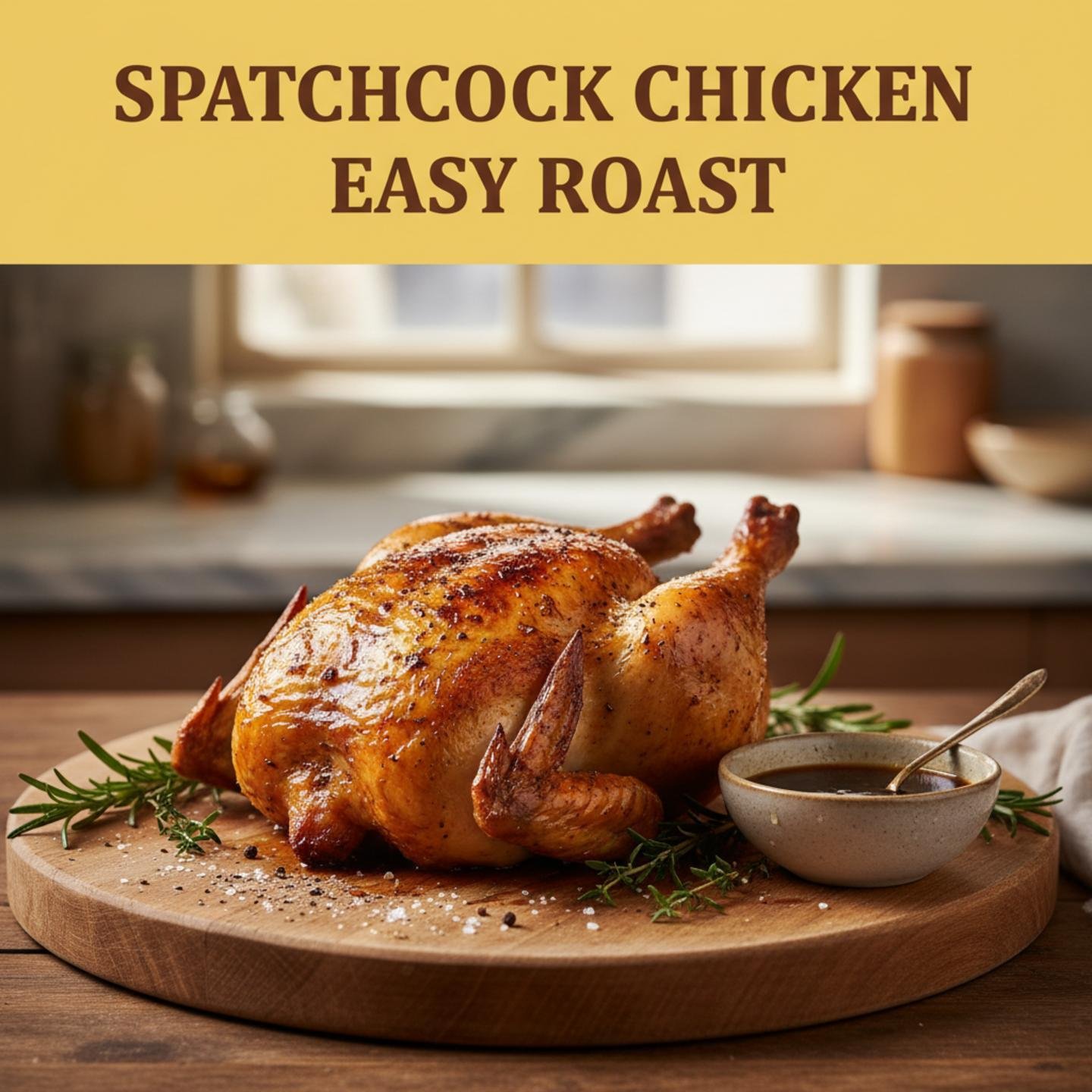
How Does Stuffing Affect Roast Calculator Cooking Times?
Stuffing a chicken increases the cooking time because the stuffing must also reach a safe internal temperature of 74°C (165°F) to prevent bacterial growth. Add approximately 15-20 minutes to the calculated roast time.
Stuffing a chicken significantly impacts the cooking time. When a chicken is stuffed, the stuffing acts as an insulator, slowing down the cooking process. This is because the heat needs to penetrate through the stuffing to reach the center of the chicken, which takes longer than cooking an unstuffed bird. Additionally, the stuffing itself needs to reach a safe internal temperature to prevent bacterial growth.
The recommended internal temperature for stuffing is also 74°C (165°F). To ensure the stuffing reaches this temperature, you will need to add approximately 15-20 minutes to the calculated roast calculator cooking time. It is crucial to check the temperature of the stuffing with a meat thermometer to ensure it is fully cooked. Insert the thermometer into the center of the stuffing, avoiding contact with the chicken meat.
If the stuffing has not reached 74°C (165°F), continue cooking the chicken until it does. If the chicken is browning too quickly, you can cover it loosely with foil to prevent it from burning. Alternatively, you can cook the stuffing separately in a baking dish. This allows you to control the cooking time and temperature more precisely, and it also reduces the risk of overcooking the chicken.
When making stuffing, it is important to use fresh, high-quality ingredients. Avoid using leftover stuffing, as this can increase the risk of bacterial contamination. Also, be sure to cook the stuffing thoroughly before stuffing the chicken. This will help to reduce the cooking time and ensure that the stuffing reaches a safe internal temperature more quickly.
Here’s a comparison table of cooking times for stuffed and unstuffed chicken:
| Chicken Type | Approximate Cooking Time (per kg at 200°C/400°F) |
|---|---|
| Unstuffed Chicken | 40-45 minutes |
| Stuffed Chicken | 55-60 minutes |
What Factors Influence the Accuracy of a Roast Chicken Calculator?
Several factors can affect the accuracy of a roast chicken calculator, including oven calibration, the chicken’s initial temperature, and whether the chicken is stuffed.
While a roast chicken calculator is a valuable tool for estimating cooking times, it is important to recognize that several factors can influence its accuracy. These factors can affect the actual cooking time required to reach a safe internal temperature, so it is essential to consider them when using the calculator.
One of the most significant factors is oven calibration. Many ovens are not accurately calibrated, meaning that the actual temperature inside the oven may be different from the temperature displayed on the dial. This can lead to inaccurate cooking times, as the chicken may be cooking at a higher or lower temperature than expected. To ensure accuracy, it is recommended to use an oven thermometer to verify the actual temperature inside the oven. If the oven is not calibrated correctly, you may need to adjust the cooking time accordingly.
Another factor that can affect the accuracy of the calculator is the chicken’s initial temperature. If the chicken is taken directly from the refrigerator, it will take longer to cook than if it is allowed to sit at room temperature for a while. This is because the cold chicken needs to warm up before it can start cooking. To account for this, it is recommended to let the chicken sit at room temperature for 30-60 minutes before roasting. This will help to reduce the cooking time and ensure that the chicken cooks more evenly.
Whether the chicken is stuffed or unstuffed can also affect the accuracy of the calculator, as discussed previously. Stuffing adds mass and slows down the cooking process, requiring additional cooking time to ensure the stuffing reaches a safe internal temperature.
Here’s a list of factors influencing the accuracy of a roast chicken calculator:
- •Oven Calibration
- •Chicken’s Initial Temperature
- •Whether the Chicken is Stuffed
- •Chicken Size and Shape
- •Altitude
Can Altitude Affect Chicken Cooking Times?
Yes, altitude can affect chicken cooking times. At higher altitudes, water boils at a lower temperature, which can increase cooking times. You may need to increase the cooking time slightly.
Yes, altitude can indeed affect chicken cooking time. At higher altitudes, the atmospheric pressure is lower, which means that water boils at a lower temperature. This can impact cooking times because the lower boiling point means that food cooks more slowly.
In the context of roasting chicken, the lower boiling point can affect the moisture content of the chicken. As the chicken roasts, moisture evaporates from the surface, creating steam. At higher altitudes, this evaporation occurs more quickly due to the lower boiling point. This can lead to the chicken drying out more quickly, requiring a longer cooking time to ensure the chicken is cooked through.
To compensate for the effects of altitude, you may need to increase the cooking time slightly. A general rule of thumb is to add 15-20 minutes to the calculated cooking time for every 1000 meters (3300 feet) above sea level. However, this is just a guideline, and it is always best to verify doneness using a meat thermometer.
Additionally, you may want to consider using a lower oven temperature to help prevent the chicken from drying out. A lower temperature will allow the chicken to cook more slowly and evenly, reducing the risk of overcooking the surface before the interior is cooked through.
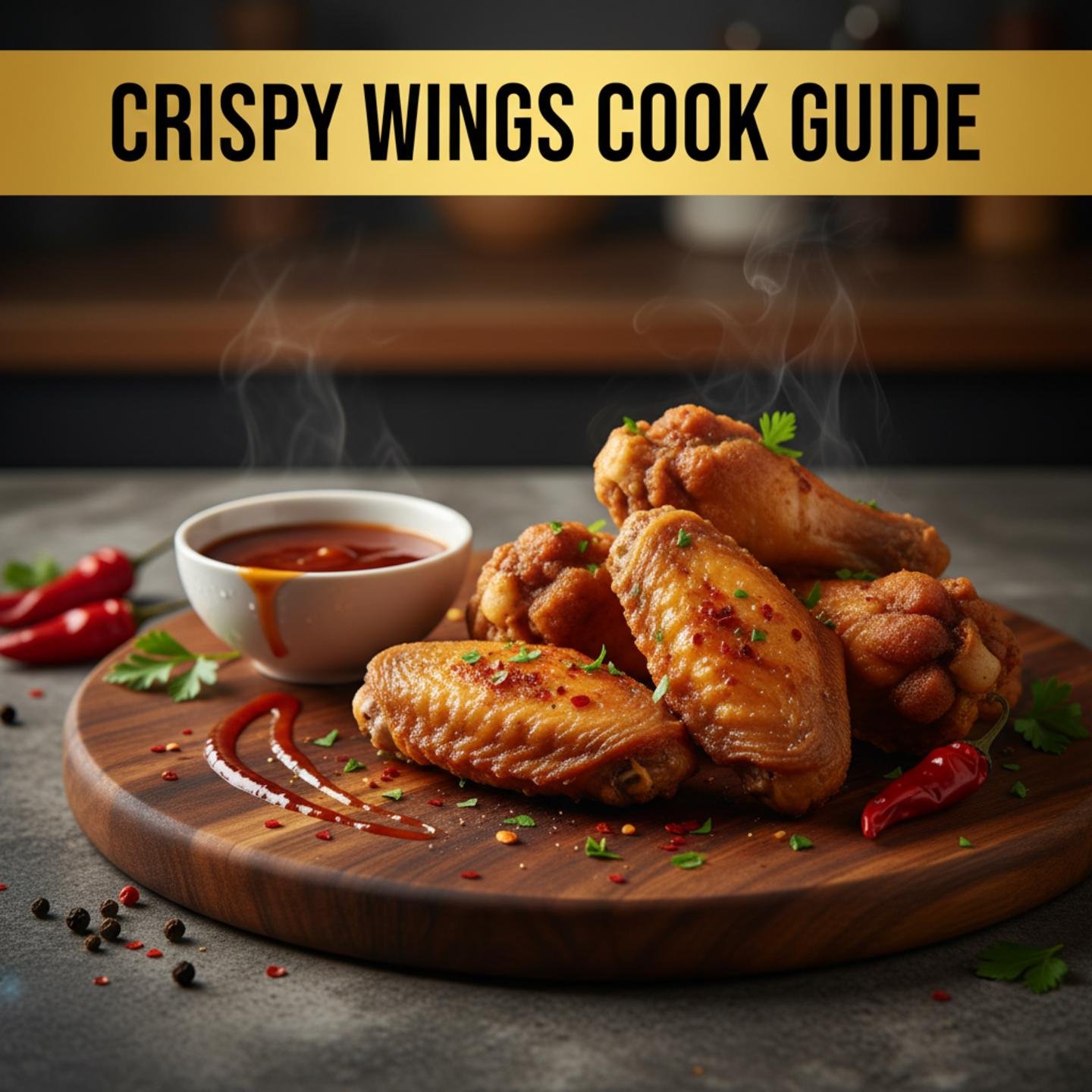
What Are Some Tips for Achieving Crispy Chicken Skin?
To achieve crispy chicken skin, ensure the chicken is dry before roasting, use a high oven temperature initially, and baste with fat during cooking.
Achieving crispy chicken skin is a goal for many home cooks, and there are several techniques that can help you achieve this result. The key is to create an environment that promotes dehydration of the skin while allowing it to brown and crisp up. Here are some tips for achieving crispy chicken
Frequently Asked Questions
How can a Roast Chicken Calculator help me achieve perfection?
A roast chicken calculator provides precise cooking times based on the chicken’s weight, ensuring it reaches a safe internal temperature of 74°C (165°F), which is crucial for safety, optimal flavor, and preventing under or overcooking.
What is the ideal oven temperature for roasting chicken?
The ideal oven temperature for roasting chicken is typically between 190°C to 220°C (375°F to 425°F). This range allows for thorough cooking while helping to achieve deliciously crispy skin.
How long should I rest my roast chicken before carving?
You should rest your roast chicken for at least 15-20 minutes before carving. This crucial step allows the juices to redistribute throughout the meat, resulting in a more moist and flavorful bird.