Key Takeaways
✅ Pros
- Authentic Middle Eastern flavors achievable at home
- Detailed guidance for tender chicken and creamy Toum sauce
- Offers flexibility with cooking methods (oven or pan)
- Great for family meals and customizable with toppings
- Provides clear instructions for making the essential Toum sauce
❌ Cons
- Requires a minimum of 4 hours marination time (preferably overnight)
- Making authentic Toum requires patience and precision during emulsification
- Chicken breasts can dry out if not cooked carefully
- Might require a food processor/blender for Toum
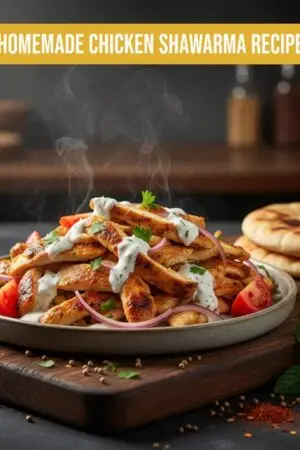
Chicken Shawarma, a beloved Middle Eastern street food, transforms into a delightful homemade experience with this easy recipe. At evilchefmom, we bring you a simple method to create authentic chicken shawarma, perfectly paired with a creamy garlic sauce, all from the comfort of your kitchen. Get ready to enjoy flavorful, spicy grilled chicken, a delicious pita wrap, and a taste of homemade kebab, making it a family favourite.
What is the best way to make authentic Chicken Shawarma at home?
Marinate chicken in a flavourful blend of Middle Eastern spices, then roast or pan-fry until perfectly cooked. Serve in warm pita bread with your favourite toppings, like homemade garlic sauce and pickles, for an authentic taste.
Creating authentic chicken shawarma at home is easier than you might think. The key lies in the marinade, which infuses the chicken with the distinctive flavours of the Middle East. While a traditional shawarma is cooked on a vertical spit, we’ll adapt the method for a home kitchen, using either an oven or a pan. This allows you to achieve a similar result without specialized equipment, ensuring a delicious and satisfying homemade kebab experience.
The process begins with selecting the right cut of chicken. Boneless, skinless chicken thighs are ideal because they stay moist and tender during cooking. Chicken breasts can also be used, but they require careful attention to prevent them from drying out. Once you’ve chosen your chicken, it’s time to prepare the marinade.
A classic shawarma marinade typically includes a blend of spices such as cumin, turmeric, paprika, coriander, and garlic powder. Yogurt is often added for its tenderizing properties and tangy flavour. Lemon juice provides acidity, which helps to break down the proteins in the chicken, resulting in a more tender and flavourful dish. Olive oil adds richness and helps to distribute the spices evenly. A touch of cayenne pepper or chili powder can be added for those who prefer a bit of heat, creating a spicy grilled chicken experience.
Once the marinade is prepared, the chicken should be coated thoroughly and allowed to marinate for at least 4 hours, or preferably overnight, in the refrigerator. This allows the flavours to penetrate deeply into the meat, ensuring a delicious and authentic taste. The longer the chicken marinates, the more flavourful it will become.
When you’re ready to cook the chicken, preheat your oven to 200°C (180°C fan/gas mark 6) or prepare a large frying pan over medium-high heat. If using the oven, spread the chicken in a single layer on a baking sheet lined with parchment paper. Roast for 20-25 minutes, or until the chicken is cooked through and slightly browned. If using a frying pan, cook the chicken in batches, being careful not to overcrowd the pan. Cook for 5-7 minutes per side, or until the chicken is cooked through and nicely caramelized. For the best results, use a meat thermometer to ensure the chicken reaches an internal temperature of 74°C (165°F). This ensures that the chicken is safe to eat and prevents it from being overcooked and dry.
While the chicken is cooking, you can prepare the garlic sauce and other accompaniments. A traditional garlic sauce, known as Toum, is made from garlic, lemon juice, salt, and oil. It has a very strong garlic flavour and a creamy, emulsified texture. Alternatively, you can make a garlic yogurt sauce by combining yogurt, minced garlic, lemon juice, and a pinch of salt. This is a milder option that still provides a delicious garlic flavour.
To serve the chicken shawarma, warm pita bread in a dry frying pan or in the oven. Slice the cooked chicken into thin strips and pile it onto the warm pita bread. Top with your choice of garlic sauce, pickles, and other vegetables such as tomatoes, cucumbers, and onions. You can also add a sprinkle of fresh parsley or coriander for added flavour and freshness. Wrap the pita bread tightly around the filling and serve immediately. Enjoy your delicious homemade middle eastern chicken shawarma!
What are the key ingredients for a delicious Chicken Shawarma marinade?
Essential ingredients include boneless chicken thighs, yogurt, lemon juice, olive oil, garlic, cumin, turmeric, paprika, coriander, and salt. Adjust spices to your preference for a personalized flavor profile.
Crafting a truly exceptional chicken shawarma begins with understanding the role of each ingredient in the marinade. The marinade is not just a flavour enhancer; it’s a transformative element that tenderizes the chicken, infuses it with aromatic spices, and creates the signature taste that defines chicken shawarma. Let’s delve into the specifics of each key component:
Chicken: As mentioned earlier, boneless, skinless chicken thighs are the preferred choice due to their higher fat content, which keeps them moist and succulent during cooking. Chicken breasts can be used as a leaner alternative, but require careful attention to prevent them from drying out. For approximately 1 kg of chicken, plan on using the following marinade quantities.
Yogurt: Yogurt acts as a natural tenderizer, breaking down the proteins in the chicken and resulting in a more tender and juicy final product. It also adds a subtle tanginess that complements the spices beautifully. Full-fat Greek yogurt is a great option, as it is thick and creamy, providing a rich texture to the marinade. Aim for about 150g (approximately 5.3 ounces) of yogurt for 1 kg of chicken.
Lemon Juice: Lemon juice serves a dual purpose: it adds acidity, which further tenderizes the chicken, and it brightens the overall flavour profile. Freshly squeezed lemon juice is always preferred over bottled juice, as it has a more vibrant and authentic taste. Use around 30ml (approximately 2 tablespoons) of lemon juice for 1 kg of chicken.
Olive Oil: Olive oil helps to distribute the spices evenly throughout the chicken and adds richness to the marinade. Extra virgin olive oil is a good choice, as it has a robust flavour that will enhance the overall taste of the shawarma. Approximately 30ml (about 2 tablespoons) of olive oil will suffice for 1 kg of chicken.
Garlic: Garlic is a fundamental ingredient in Middle Eastern cuisine, and it plays a crucial role in the flavour of chicken shawarma. Freshly minced garlic is always best, as it has a more potent flavour than garlic powder. Use about 4-5 cloves of garlic, minced, for 1 kg of chicken. Adjust the amount to your personal preference.
Spices: The spice blend is what truly defines the flavour of chicken shawarma. Cumin, turmeric, paprika, and coriander are essential components, each contributing its unique flavour and aroma. Ground cumin provides a warm, earthy flavour, while turmeric adds a vibrant yellow colour and a slightly bitter taste. Paprika contributes a smoky sweetness, and coriander adds a citrusy, floral note. Use the following spice quantities for 1 kg of chicken:
- •Cumin: 2 teaspoons
- •Turmeric: 1 teaspoon
- •Paprika: 2 teaspoons (smoked paprika is a great option)
- •Coriander: 1 teaspoon
Salt: Salt is essential for enhancing the flavours of all the other ingredients. Use about 1.5 teaspoons of salt for 1 kg of chicken. Adjust the amount to your personal preference. Kosher salt or sea salt are both good choices.
By carefully selecting and combining these key ingredients, you can create a chicken shawarma marinade that will transform ordinary chicken into a flavourful and authentic middle eastern chicken dish. Remember to adjust the quantities of spices and other ingredients to your personal preference, and don’t be afraid to experiment to find the perfect flavour profile.
How do you make authentic Toum (Lebanese Garlic Sauce)?
Toum is made by slowly emulsifying garlic, lemon juice, salt, and oil (usually vegetable or olive oil) using a food processor or blender. The key is to add the oil gradually to create a stable, creamy emulsion.
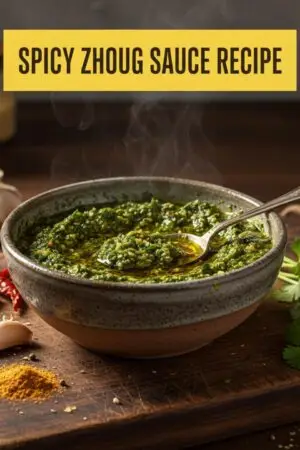
Toum, the iconic Lebanese garlic sauce, is a culinary masterpiece known for its intense garlic flavour and incredibly smooth, creamy texture. Making authentic Toum requires patience and precision, but the results are well worth the effort. This sauce is not only a perfect accompaniment to chicken shawarma but also elevates grilled meats, vegetables, and sandwiches.
The secret to a perfect Toum lies in the emulsification process. Emulsification is the process of combining two liquids that typically don’t mix well, such as oil and water (or in this case, lemon juice). By slowly adding the oil while continuously blending the mixture, you can create a stable emulsion that results in a smooth, creamy sauce.
Here’s a step-by-step guide to making authentic Toum:
-
•Ingredients:
- •1 cup peeled garlic cloves (approximately 8-10 heads, depending on size)
- •½ cup freshly squeezed lemon juice
- •1 teaspoon salt (or to taste)
- •2-4 cups neutral-tasting vegetable oil (such as sunflower or canola oil) or light olive oil
-
•Instructions:
- •Prepare the Garlic: Peel the garlic cloves and remove any green shoots, as these can make the sauce bitter.
- •Blend Garlic and Salt: Place the garlic cloves and salt in a food processor or high-powered blender. Process until the garlic is finely minced and forms a paste. This may take a few minutes, and you may need to scrape down the sides of the bowl occasionally.
- •Add Lemon Juice: Add about 1 tablespoon of lemon juice to the garlic paste and process for another minute. This helps to break down the garlic further and start the emulsification process.
- •Slowly Add Oil: This is the most crucial step. With the food processor running, very slowly drizzle the oil into the garlic mixture. The oil should be added in a thin, steady stream, almost drop by drop at first. As the mixture starts to emulsify and thicken, you can gradually increase the flow of oil.
- •Alternate Lemon Juice and Oil: Continue adding the oil, alternating with small amounts of lemon juice (about 1 teaspoon at a time). This helps to maintain the emulsion and prevent the sauce from separating.
- •Check Consistency: As you add the oil, the sauce will gradually thicken and become creamy. Stop adding oil when the sauce reaches the desired consistency. It should be thick enough to hold its shape but still smooth and pourable.
- •Taste and Adjust: Taste the sauce and adjust the seasoning as needed. You may want to add more salt or lemon juice to balance the flavour.
- •Store: Transfer the Toum to an airtight container and store it in the refrigerator. The sauce will thicken slightly as it cools. Toum can be stored in the refrigerator for up to 2 weeks.
Tips for Success:
- •Use fresh, high-quality ingredients for the best flavour.
- •Be patient and add the oil very slowly to ensure a stable emulsion.
- •If the sauce separates, try adding a tablespoon of ice water and blending again.
- •Adjust the amount of garlic to your personal preference. Some people prefer a milder garlic flavour, while others enjoy a more intense taste.
With practice and attention to detail, you can master the art of making authentic Toum and enjoy this delicious garlic sauce with your homemade chicken shawarma and other favourite dishes. The creamy texture and intense garlic flavour will elevate any meal and impress your family and friends. Enjoy your culinary creation!
What is the best way to warm Pita Bread for Chicken Shawarma?
Warm pita bread in a dry frying pan over medium heat for about 30 seconds per side, or in a preheated oven at 180°C (350°F) for 2-3 minutes. The goal is to make it pliable and slightly puffed without becoming hard.
Warming pita bread is a crucial step in preparing chicken shawarma. Warm pita bread is more pliable and easier to wrap around the filling, and it also has a more pleasant texture and flavour. There are several methods for warming pita bread, each with its own advantages and disadvantages. Here are a few options:
- •Dry Frying Pan: This is a quick and easy method for warming pita bread. Simply heat a dry frying pan over medium heat. Place the pita bread in the pan and cook for about 30 seconds per side, or until it is warm and pliable. Be careful not to overheat the pita bread, as it can become hard and brittle. This method works well for warming a few pita breads at a time.
- •Oven: This method is ideal for warming a large batch of pita bread at once. Preheat your oven to 180°C (350°F). Wrap the pita bread in foil and place it in the oven for 2-3 minutes, or until it is warm and pliable. Be careful not to overheat the pita bread, as it can become hard and brittle.
- •Microwave: This is the quickest method for warming pita bread, but it can also be the trickiest. To prevent the pita bread from becoming tough and rubbery, wrap it in a damp paper towel before microwaving. Microwave for 10-15 seconds, or until it is warm and pliable. Be careful not to overheat the pita bread.
- •Toaster: You can also warm pita bread in a toaster. Simply place the pita bread in the toaster and toast it lightly. Be careful not to over-toast the pita bread, as it can become hard and brittle.
No matter which method you choose, it’s important to warm the pita bread just before serving. This will ensure that it is warm and pliable when you’re ready to assemble your chicken shawarma. Warm pita bread not only tastes better, but it’s also easier to work with, making it easier to create a perfectly wrapped homemade kebab.
What are some good Salad pairings for Chicken Shawarma?
Tabouleh (parsley salad), Fattoush (bread salad), or a simple cucumber and tomato salad with a lemon-mint dressing are excellent choices. These salads offer a refreshing contrast to the rich flavors of the shawarma.
Chicken shawarma is a flavorful and satisfying dish on its own, but it’s even better when paired with a refreshing and complementary salad. The right salad can provide a welcome contrast to the richness of the shawarma, adding freshness, acidity, and texture to the meal. Here are a few excellent salad pairings for chicken shawarma:
- •Tabouleh: Tabouleh is a classic Middle Eastern salad made with finely chopped parsley, tomatoes, cucumbers, onions, and bulgur wheat. It’s dressed with lemon juice, olive oil, and mint, providing a bright and refreshing flavour that pairs perfectly with chicken shawarma. The fresh herbs and vegetables in tabouleh provide a welcome contrast to the richness of the shawarma, while the lemon-mint dressing adds a zesty kick.
- •Fattoush: Fattoush is another popular Middle Eastern salad that features toasted or fried pita bread. It’s made with a variety of fresh vegetables, such as tomatoes, cucumbers, lettuce, onions, and bell peppers, and dressed with a tangy sumac vinaigrette. The crispy pita bread adds a satisfying crunch to the salad, while the sumac vinaigrette provides a unique and flavourful twist. Fattoush is a great way to use up leftover pita bread, and it’s a delicious and refreshing accompaniment to chicken shawarma.
- •Cucumber and Tomato Salad: A simple cucumber and tomato salad is a classic choice for pairing with chicken shawarma. This salad is made with diced cucumbers, tomatoes, and onions, and dressed with a lemon-mint dressing. The cool and refreshing cucumbers and tomatoes provide a welcome contrast to the warm and flavourful shawarma, while the lemon-mint dressing adds a zesty and aromatic touch. This salad is easy to prepare and can be made ahead of time, making it a convenient option for a quick and easy meal.
- •Shirazi Salad: Shirazi salad is a Persian salad made with diced cucumbers, tomatoes, and onions, and dressed with lemon juice, olive oil, and dried mint. It’s similar to a cucumber and tomato salad, but the addition of dried mint gives it a unique and aromatic flavour. Shirazi salad is a refreshing and flavourful accompaniment to chicken shawarma, and it’s a great way to add a touch of Persian cuisine to your meal.
When choosing a salad to pair with chicken shawarma, consider the flavours and textures of the shawarma and select a salad that will complement and enhance those flavours. A salad with fresh herbs, crisp vegetables, and a tangy dressing is always a good choice. By pairing your chicken shawarma with a delicious and refreshing salad, you can create a complete and satisfying meal that is both flavourful and nutritious. Enjoy your culinary adventure!
Are there any healthy variations for Chicken Shawarma?
Yes, using chicken breast instead of thighs, baking instead of frying, whole wheat pita, and a yogurt-based garlic sauce can make it healthier. Loading up on fresh vegetables also adds nutrients and fiber.
Chicken shawarma is a delicious and satisfying dish, but it can also be high in calories and fat. If you’re looking for ways to make chicken shawarma healthier, there are several simple swaps and adjustments you can make without sacrificing flavour. Here are a few healthy variations for chicken shawarma:
- •Use Chicken Breast Instead of Thighs: Chicken thighs are more flavourful and tender than chicken breasts, but they are also higher in fat. If you’re looking to reduce the fat content of your chicken shawarma, use chicken breasts instead. Be sure to marinate the chicken breasts for at least 4 hours, or preferably overnight, to keep them moist and tender during cooking.
- •Bake Instead of Fry: Frying chicken adds extra calories and fat. Instead of frying the chicken, bake it in the oven. Preheat your oven to 200°C (180°C fan/gas mark 6). Spread the chicken in a single layer on a baking sheet lined with parchment paper. Bake for 20-25 minutes, or until the chicken is cooked through.
- •Use Whole Wheat Pita: White pita bread is low in fibre and nutrients. Swap it for whole wheat pita bread, which is higher in fibre and nutrients. Whole wheat pita bread will help you feel fuller for longer, and it will also provide you with more sustained energy.
-
•Make a Yogurt-Based Garlic Sauce: Traditional Toum is made with a lot of oil. Make a healthier version by using yogurt as the base. Combine Greek yogurt with minced garlic, lemon juice, and a pinch of salt. This yogurt-based garlic💡 Verdict: This recipe provides a fantastic, accessible way to recreate the beloved street food experience of Chicken Shawarma in your own kitchen. While marination takes time and Toum requires a bit of technique, the detailed instructions and flavorful outcome make it a highly rewarding dish that’s sure to become a family favorite.
Frequently Asked Questions
What is the best way to make authentic Chicken Shawarma at home?
Marinate chicken in a flavorful blend of Middle Eastern spices, then roast or pan-fry until perfectly cooked. Serve in warm pita bread with your favorite toppings, like homemade garlic sauce and pickles, for an authentic taste.
What are the key ingredients for a delicious Chicken Shawarma marinade?
Essential ingredients include boneless chicken thighs, yogurt, lemon juice, olive oil, garlic, cumin, turmeric, paprika, coriander, and salt. Adjust spices to your preference for a personalized flavor profile.
How do you make authentic Toum (Lebanese Garlic Sauce)?
Toum is made by slowly emulsifying garlic, lemon juice, salt, and oil (usually vegetable or olive oil) using a food processor or blender. The key is to add the oil gradually to create a stable, creamy emulsion.