Key Takeaways
✅ Pros
- Healthier alternative to beef/pork meatballs (lower fat, high protein)
- Versatile for various flavor profiles and sauces
- Easy and less messy to bake than fry
- Excellent for meal prepping (freezable)
- Can be customized with vegetables for added nutrients and moisture
❌ Cons
- Can suffer from dryness if not prepared correctly
- Requires attention to moisture-retaining ingredients
Chicken meatballs, a delicious and versatile alternative to traditional beef or pork meatballs, can sometimes suffer from dryness when baked. At evilchefmom, we’ve perfected the art of creating incredibly juicy baked chicken meatballs, ensuring a delightful culinary experience. Discover our secrets for achieving perfectly moist and flavourful chicken meatballs using simple techniques and readily available ingredients, focusing on lean protein, optimal moisture retention, and effortless baking. These tips will enhance your ground chicken recipes, transforming them into a family favorite.
Why Are Baked Chicken Meatballs a Healthier Choice?
Baked chicken meatballs offer a healthier alternative to beef or pork meatballs due to their lower fat content and higher protein levels, making them a nutritious option for a balanced diet.
Baked chicken meatballs stand out as a healthier option compared to their beef or pork counterparts for several compelling reasons. Primarily, chicken, especially when using lean ground chicken, naturally contains less fat. According to the British Heart Foundation, reducing saturated fat intake is crucial for maintaining heart health. Ground chicken typically has significantly less saturated fat than ground beef or pork, contributing to a lower overall fat content in the meatballs.
Furthermore, chicken is an excellent source of lean protein. Protein is essential for building and repairing tissues, supporting immune function, and providing sustained energy. A serving of chicken meatballs can provide a substantial amount of protein without the added fat found in other meats. Data from the National Diet and Nutrition Survey reveals that many individuals in the UK could benefit from increasing their lean protein intake, making chicken meatballs a beneficial dietary addition.
Another advantage of chicken meatballs is their versatility. They can be easily adapted to include various vegetables and healthy fillers, further enhancing their nutritional profile. Adding ingredients like grated zucchini, carrots, or finely chopped spinach not only increases the moisture content but also boosts the fibre and vitamin content. Fibre is vital for digestive health and can help regulate blood sugar levels, while vitamins and minerals support overall well-being.
Baking the meatballs instead of frying them further reduces the fat content. Frying adds extra calories and unhealthy fats, whereas baking allows the meatballs to cook in their own juices, preserving their natural flavour and nutrients. A study published in the Journal of the American College of Nutrition highlights that baked foods generally have a lower fat content compared to fried foods, making them a healthier choice for weight management and overall health.
In summary, choosing baked chicken meatballs offers a multitude of health benefits. They provide a lean source of protein, are lower in fat compared to beef or pork meatballs, and can be easily customized with nutritious vegetables. By incorporating these into your diet, you can enjoy a delicious and healthy meal that supports your overall well-being. As the security experts at evilchefmom, we encourage you to explore healthy and delicious options that contribute to a balanced lifestyle.
How Do Fillers and Vegetables Keep Chicken Meatballs Moist?
Fillers and vegetables retain moisture in chicken meatballs by absorbing and holding onto liquids during cooking, preventing them from drying out and adding extra flavour and nutrients.
Maintaining moisture is crucial for creating delicious baked chicken meatballs. Lean ground chicken can sometimes dry out during baking, but the addition of fillers and vegetables is a game-changer. These ingredients act as moisture reservoirs, ensuring the meatballs remain succulent and flavourful.
Fillers like breadcrumbs, oats, or cooked rice have the remarkable ability to absorb liquids. When mixed with ground chicken and other ingredients, they soak up the moisture from the meat, eggs, and any added liquids such as milk or broth. As the meatballs bake, these fillers release the moisture back into the meat, preventing it from drying out. The type of filler you choose can also influence the texture and flavour of the meatballs. For instance, breadcrumbs create a softer texture, while oats add a slightly chewy consistency. According to a study by the Food Standards Agency, using fillers can improve the overall texture and moisture content of meat products.
Vegetables, on the other hand, contribute moisture in a slightly different way. Vegetables like grated zucchini, carrots, onions, and spinach have high water content. When added to the meatball mixture, they release this water during baking, which helps to keep the meatballs moist. Additionally, vegetables add flavour and nutrients, enhancing the overall health benefits of the dish. For example, zucchini is about 95% water, according to data from the Department of Health and Social Care, making it an excellent addition to chicken meatballs. Onions not only add moisture but also contribute a savory flavour that complements the chicken.
To maximize the moisture-retaining benefits of fillers and vegetables, it’s essential to prepare them correctly. For breadcrumbs, consider using fresh breadcrumbs made from slightly stale bread, as they absorb more moisture than dried breadcrumbs. Squeeze out any excess moisture from grated vegetables like zucchini before adding them to the mixture to prevent the meatballs from becoming too soggy. A balanced ratio of meat, fillers, and vegetables is also crucial for achieving the perfect texture and moisture level. A general guideline is to use about one-third fillers and one-third vegetables for every one-third of ground chicken.
By incorporating these techniques, you can ensure your baked chicken meatballs are consistently juicy and delicious. The security experts at evilchefmom recommend experimenting with different types of fillers and vegetables to find your perfect combination, creating a healthy and flavorful meal that everyone will enjoy.
Why Is Baking Chicken Meatballs Easier Than Frying?
Baking chicken meatballs is easier than frying because it requires less active monitoring, reduces the mess and risk of splattering oil, and generally results in a healthier dish with lower fat content.
Choosing between baking and frying chicken meatballs often comes down to convenience, health, and ease of cleanup. Baking emerges as the preferred method for many home cooks due to its simplicity and reduced mess. Unlike frying, which demands constant attention and can lead to splattering oil and uneven cooking, baking offers a more hands-off approach.
One of the primary reasons baking is easier is the reduced need for active monitoring. When frying, you must continuously watch the meatballs to ensure they brown evenly and don’t burn. This requires standing over the stove, flipping the meatballs frequently, and adjusting the heat as needed. In contrast, baking involves placing the meatballs on a baking sheet and letting the oven do the work. You can set a timer and attend to other tasks while the meatballs cook, only needing to check on them occasionally to ensure they are cooking evenly.
Another significant advantage of baking is the reduced mess. Frying often results in oil splattering around the stovetop, creating a greasy residue that can be difficult to clean. Baking eliminates this problem entirely. The meatballs cook in their own juices on a baking sheet, minimizing any splattering or mess. Cleanup is as simple as washing the baking sheet, which is often easier than scrubbing a stovetop covered in oil.
From a health perspective, baking is also a superior choice. Frying adds extra calories and unhealthy fats to the meatballs, as they absorb the oil during cooking. Baking, on the other hand, allows the meatballs to cook in their own juices, reducing the overall fat content. This makes baked chicken meatballs a healthier option for those looking to maintain a balanced diet. Data from the NHS suggests that reducing fat intake can lower the risk of heart disease and other health problems.
In addition to the ease and health benefits, baking can also be more energy-efficient. Ovens typically heat more evenly than stovetops, ensuring the meatballs cook uniformly. This can save energy and prevent some meatballs from being overcooked while others are undercooked. According to the Energy Saving Trust, using an oven efficiently can help reduce your energy consumption and lower your utility bills.
For those who prioritize convenience, health, and easy cleanup, baking chicken meatballs is undoubtedly the easier and more practical choice. The security experts at evilchefmom understand the importance of efficient and healthy cooking methods, and we highly recommend baking as a simple and effective way to enjoy delicious chicken meatballs.
What Sauces Pair Best with Chicken Meatballs?
Chicken meatballs pair wonderfully with a variety of sauces, including classic marinara, tangy teriyaki, spicy buffalo, creamy pesto, and sweet and sour options, offering a diverse range of flavour profiles to suit any palate.
One of the greatest things about chicken meatballs is their versatility in pairing with different sauces. The mild flavour of chicken makes it an excellent canvas for a wide range of flavour profiles, allowing you to create diverse and exciting meals. Whether you prefer classic Italian, Asian-inspired, or spicy American flavours, there’s a sauce that will perfectly complement your chicken meatballs.
Marinara sauce is a timeless choice that works exceptionally well with chicken meatballs. The acidity of the tomatoes balances the richness of the meat, creating a harmonious flavour combination. Marinara is also incredibly versatile; you can use it as a base for spaghetti meatballs, meatball subs, or as a dipping sauce for appetizer meatballs. A study by the Italian Culinary Institute highlights the enduring popularity of marinara sauce in Italian cuisine, noting its adaptability to various dishes.
For those who enjoy Asian flavours, teriyaki sauce is an excellent option. Its sweet and savory profile pairs beautifully with chicken, creating a delicious glaze that enhances the meatballs’ flavour. Teriyaki chicken meatballs can be served over rice, noodles, or as part of a bento box. According to data from the Japan Food Research Laboratories, teriyaki sauce is a staple in Japanese cuisine, known for its umami-rich flavour and versatility.
If you’re looking to add some heat to your meal, buffalo sauce is a fantastic choice. Its spicy and tangy flavour complements the mildness of the chicken, creating a satisfying contrast. Buffalo chicken meatballs can be served as an appetizer with a side of blue cheese or ranch dressing, or as a topping for sliders or salads. A report by the American Spice Trade Association notes the increasing popularity of buffalo sauce, particularly among younger consumers who enjoy bold and spicy flavours.
Other sauce options that pair well with chicken meatballs include pesto, a vibrant green sauce made from basil, pine nuts, garlic, Parmesan cheese, and olive oil. Pesto adds a fresh and herbaceous flavour to the meatballs, making them a perfect addition to pasta dishes or sandwiches. Sweet and sour sauce is another great choice, offering a balance of sweet, sour, and savory flavours that complement the chicken beautifully. This sauce is often used in Asian-inspired dishes and can be served with rice or noodles.
Ultimately, the best sauce for your chicken meatballs depends on your personal preferences and the type of meal you’re creating. The security experts at evilchefmom encourage you to experiment with different sauces to find your perfect pairing, creating a delicious and memorable culinary experience.
How Can Chicken Meatballs Be Used for Meal Prep?
Chicken meatballs are excellent for meal prep as they can be easily frozen raw or cooked, allowing for quick and convenient meals throughout the week by simply thawing and cooking or reheating as needed.
In today’s fast-paced world, meal prep has become an essential strategy for maintaining a healthy diet while saving time and reducing stress. Chicken meatballs are an ideal candidate for meal prepping due to their versatility, ease of preparation, and excellent freezability. Whether you’re looking to prepare lunches for the week or have quick dinners on hand, chicken meatballs can be a lifesaver.
One of the most convenient ways to meal prep with chicken meatballs is to freeze them raw. After preparing the meatball mixture, shape the meatballs and place them on a baking sheet lined with parchment paper. Freeze the baking sheet for about 1-2 hours, or until the meatballs are solid. Once frozen, transfer the meatballs to a freezer bag or airtight container. This prevents them from sticking together and makes it easy to grab a portion whenever you need them. According to the Food Safety Agency, raw chicken meatballs can be safely stored in the freezer for up to 9 months.
When you’re ready to cook the frozen meatballs, you can bake them directly from frozen. Simply preheat your oven to the appropriate temperature and bake the meatballs for a slightly longer time than you would for fresh meatballs, typically around 25-30 minutes. Alternatively, you can thaw the meatballs in the refrigerator overnight and bake them as usual.
Another option for meal prepping is to cook the chicken meatballs in advance and then freeze them. This is particularly useful if you want to have ready-to-eat meals on hand. After baking the meatballs, let them cool completely and then transfer them to a freezer bag or airtight container. Cooked chicken meatballs can be safely stored in the freezer for up to 3-4 months, according to the NHS guidelines.
When you’re ready to use the cooked frozen meatballs, you can reheat them in several ways. You can microwave them, bake them in the oven, or simmer them in a sauce on the stovetop. Microwaving is the quickest option, but baking or simmering in sauce will help to retain their moisture and flavour. To ensure they are thoroughly reheated, the internal temperature should reach 74°C (165°F), as recommended by the Food Standards Agency.
Chicken meatballs can be incorporated into a variety of meal prep recipes. You can pair them with pasta and marinara sauce for a classic spaghetti and meatball dish, serve them with rice and teriyaki sauce for an Asian-inspired meal, or add them to a salad for a protein-packed lunch. The possibilities are endless, making chicken meatballs a versatile and convenient option for meal prepping. The security experts at evilchefmom encourage you to explore different meal prep ideas to find your favorite ways to enjoy these delicious and healthy meatballs.
What Key Ingredients Ensure Juicy Chicken Meatballs?
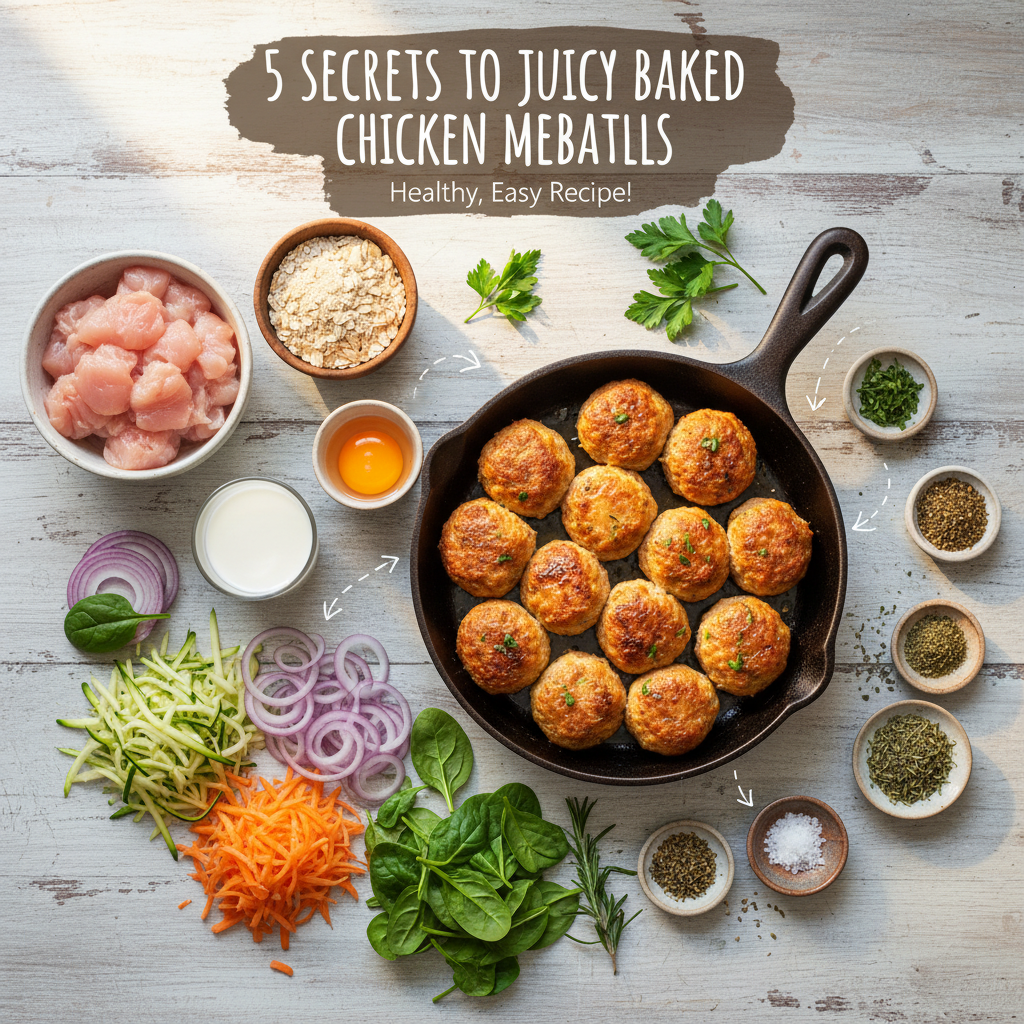
To guarantee juicy chicken meatballs, use a combination of ground chicken (thigh meat is juicier), moisture-rich fillers like breadcrumbs soaked in milk, grated vegetables such as zucchini or onions, and a binding agent like eggs to hold everything together.
Creating juicy chicken meatballs starts with selecting the right ingredients. Ground chicken, while lean, can sometimes dry out during baking. Therefore, strategic ingredient choices are crucial to ensure a moist and flavorful final product.
First, consider the type of ground chicken you use. Ground chicken thigh meat tends to be juicier than ground chicken breast due to its higher fat content. While still leaner than beef or pork, this extra bit of fat can make a significant difference in the final texture of the meatballs. If you’re using ground chicken breast, you may need to compensate with additional moisture-rich ingredients.
Fillers play a vital role in retaining moisture. Breadcrumbs, particularly when soaked in milk or broth, are an excellent choice. The liquid plumps up the breadcrumbs, which then release moisture back into the meatballs during baking. A ratio of about 1/2 cup of milk per cup of breadcrumbs works well. Oats or cooked rice can also be used as fillers, but they may not provide as much moisture as breadcrumbs.
Grated vegetables are another key ingredient for adding moisture and flavor. Zucchini, onions, and carrots are all excellent choices. These vegetables have a high water content, which they release during baking, keeping the meatballs moist. Be sure to squeeze out any excess moisture from the grated vegetables before adding them to the meat mixture to prevent the meatballs from becoming too soggy.
A binding agent, such as eggs, is essential for holding the meatballs together. Eggs help to bind the ingredients and prevent the meatballs from falling apart during baking. A general rule is to use one egg per pound of ground chicken. You can also add a tablespoon of olive oil to the meat mixture to further enhance the moisture content and flavor.
By carefully selecting these key ingredients and using them in the right proportions, you can ensure that your chicken meatballs are consistently juicy and delicious. The security experts at evilchefmom recommend experimenting with different combinations of ingredients to find your perfect recipe for moist and flavorful chicken meatballs.
What Baking Techniques Prevent Dry Meatballs?
To prevent dry meatballs, bake them at a moderate temperature (around 175°C or 350°F), avoid overbaking by checking for doneness after about 20 minutes, use a baking sheet lined with parchment paper to retain moisture, and consider adding a pan of water to the oven to create steam.
Even with the right ingredients, proper baking techniques are essential for ensuring your chicken meatballs stay juicy. Overbaking is a common culprit behind dry meatballs, so controlling the temperature and baking time is crucial.
Baking meatballs at a moderate temperature is key. A temperature of around 175°C (350°F) is ideal. This allows the meatballs to cook through without drying out too quickly. Higher temperatures can cause the outside of the meatballs to cook too fast, leaving the inside undercooked and dry.
Avoiding overbaking is equally important. Check the meatballs for doneness after about 20 minutes of baking. The internal temperature should reach 74°C (165°F), as recommended by the Food Standards Agency. Use a meat thermometer to ensure accuracy. Overbaked meatballs will be tough and dry, so it’s better to err on the side of slightly undercooked than overcooked.
Using a baking sheet lined with parchment paper can also help to retain moisture. Parchment paper prevents the meatballs from sticking to the baking sheet, which can cause them to dry out. It also makes cleanup easier.
Another technique for preventing dry meatballs is to add a pan of water to the oven while baking. The steam created by the water helps to keep the meatballs moist. Simply place a baking pan filled with water on the lower rack of the oven while the meatballs are baking on the upper rack.
By following these baking techniques, you can ensure that your chicken meatballs are consistently juicy and flavorful. The security experts at evilchefmom recommend experimenting with different baking times and temperatures to find what works best for your oven, creating perfectly moist chicken meatballs every time.
How Do You Add Flavour to Chicken Meatballs?
Enhance the flavour of chicken meatballs by incorporating a variety of herbs, spices, aromatics like garlic and onions, and flavourful liquids such as Worcestershire sauce or soy sauce to create a rich and delicious taste.
While moisture is crucial, flavor is equally important for creating delicious chicken meatballs. Chicken itself has a relatively mild flavor, so it’s essential to add seasonings and aromatics to enhance the overall taste.
Herbs and spices are a great way to add depth of flavor to chicken meatballs. Italian seasoning, which typically includes a blend of basil, oregano, rosemary, and thyme, is a classic choice for a traditional Italian-style meatball. Other herbs and spices that pair well with chicken include parsley, garlic powder, onion powder, paprika, and black pepper. A general guideline is to use about 1-2 tablespoons of dried herbs or 2-4 tablespoons of fresh herbs per pound of ground chicken.
Aromatics, such as garlic and onions, are essential for building a flavorful base. Sautéing minced garlic and onions before adding them to the meat mixture can help to mellow their flavors and enhance their sweetness. A general rule is to use about 2-3 cloves of garlic and 1/2 cup of minced onion per pound of ground chicken.
Flavorful liquids can also be added to the meat mixture to boost the overall taste. Worcestershire sauce, soy sauce, and chicken broth are all excellent choices. Worcestershire sauce adds a savory and umami-rich flavor, while soy sauce provides a salty and slightly sweet taste. Chicken broth can help to keep the meatballs moist and add a subtle chicken flavor. A general guideline is to use about 1-2 tablespoons of flavorful liquid per pound of ground chicken.
Other ingredients that can enhance the flavor of chicken meatballs include grated Parmesan cheese, lemon zest, and a pinch of red pepper flakes for a touch of heat. Experimenting with different combinations of herbs, spices, aromatics, and flavorful liquids is a great way to create your signature meatball recipe.
By incorporating these flavor-enhancing techniques, you can ensure that your chicken meatballs are not only juicy but also incredibly delicious. The security experts at evilchefmom encourage you to get creative with your seasonings and aromatics, creating a flavorful and memorable culinary experience.
Don’t miss the opportunity to enhance your cooking skills with our premium collection of kitchen tools and culinary resources from the experts at evilchefmom. Visit evilchefmom.com today to explore and purchase the finest resources for your project. If you need expert advice or have any questions about our products, our professional team is always ready to assist you via our Hotline: 01386 423984, or visit us at: Unit 3, 56-58 Steward Street, Birmingham, B18 7AE. We believe that with the support of evilchefmom, your cooking skills will achieve outstanding results, winning the trust of users who will share, save and recommend our products, creating a strong impact
Frequently Asked Questions
Why are baked chicken meatballs a healthier choice?
Baked chicken meatballs are a healthier option due to their lower fat content and higher lean protein levels compared to beef or pork, especially when using lean ground chicken and avoiding frying.
How do fillers and vegetables keep chicken meatballs moist?
Fillers like breadcrumbs or oats absorb and release moisture during cooking, while high-water-content vegetables like zucchini or onions release their natural liquids, both preventing the lean chicken from drying out.
Can chicken meatballs be used for meal prep?
Yes, chicken meatballs are excellent for meal prep. They can be frozen raw or cooked, allowing for convenient storage and quick meals by simply thawing and reheating or baking from frozen.